
Over 90% of the world’s goods are transported by sea, which continues to be the foundation of international trade. Effective sea freight shipping is essential to sustaining competitive supply chains for companies operating in the UAE, a crucial global hub. However, due to the complexity of this mode of transportation, it is crucial to comprehend the typical ocean freight challenges and know how to overcome them.



The Challenge of Volatility – High and Fluctuating Costs
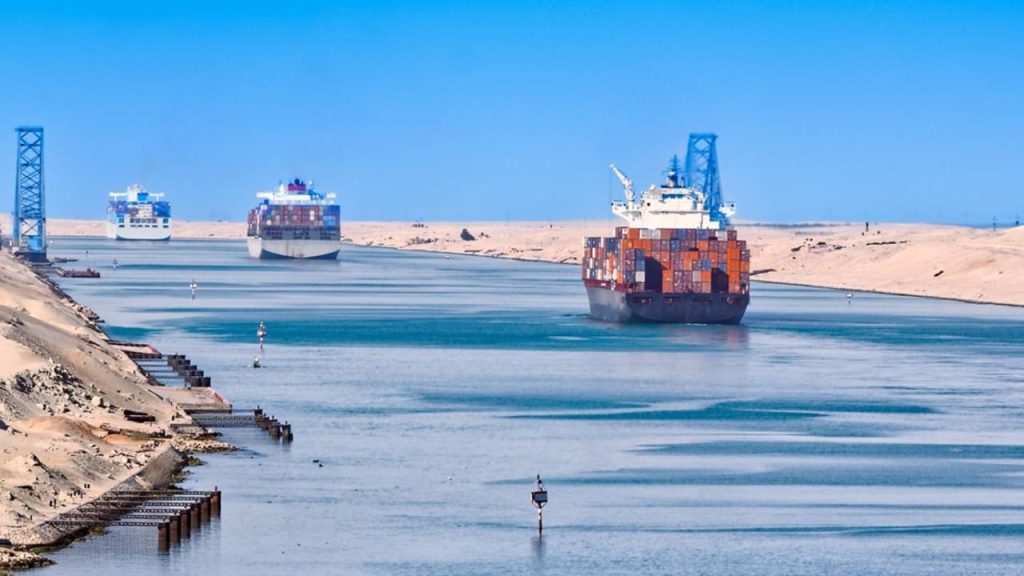
One of the primary problems in cargo shipping is the intense volatility in rates. Since the pandemic, freight charges have witnessed huge swings, making budget planning challenging.
The Problem –
- Rising Freight Costs – Freight costs have been on the rise globally, and the main factors affecting them are fuel prices (bunker surcharges), labor, demand for containers, and so on.
- Surcharges – Sometimes, costs may come up unexpectedly, for instance, Peak Season Surcharges (PSS), Currency Adjustment Factors (CAF), and port congestion fees that can quickly make the final invoice higher.
- FCL vs. LCL Costs – It can be tricky to figure out the most economical choice between Full Container Load (FCL) and Less than Container Load (LCL).
How to Avoid Them (Tips) –
- Negotiate Long-Term Rates – If your shipping is frequent, then it is better to negotiate long-term contracts with a reliable freight forwarder (like Bright Way Logistic Services LLC) to secure rates that are more stable and favorable, thus mitigating sharp market spikes.
- Optimize Container Use – For mid-volume cargo, careful calculation at the point where consolidating several LCL shipments into an FCL container is cheaper is very important. Always optimize packing so that cubic space usage is maximized.
- Plan Ahead for Peak Season – Reserve space long before the major holidays or peak trade seasons to steer clear of the premium prices and capacity shortages that come with peak demand.
The Challenge of Delays and Unpredictability
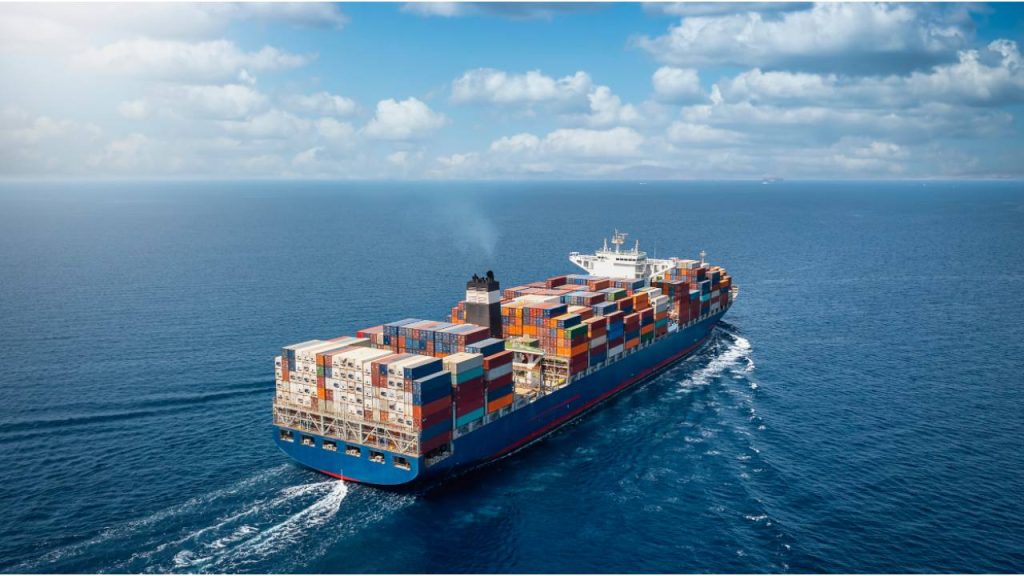
Uncertainties are the single biggest source of frustration in ocean transport, causing missed deadlines and increased expenses.
The Problem –
- Port Congestion – The ports that are practically the same as the busiest ones are usually in the number of vessels waiting for their turn to be unloaded or to receive their cargo, tagging along; thus, forming bottlenecks. The UAE and other countries worldwide are suffering from shipping problems due to this situation.
- Weather and Geopolitics – Natural disasters like major storms or tropical cyclones, or political tensions that result in blockades or disruptions in canals, are some of the reasons that could lead to rerouting or significant delays in vessels.
- Rolled Cargo – A situation where a container that has been booked but has not been loaded onto the scheduled vessel occurs quite often. This is usually due to the carrier’s overbooking or unforeseen limitations in capacity at the port.
How to Avoid Them (Tips) –
- Build Buffer Time – Always allow a realistic buffer time (at least 7-10 extra days) in your supply chain schedule; it is a fact that sea transport is unpredictable.
- Utilize Real-Time Tracking – Choose logistics companies that have top-notch tracking technology. Having the exact position and the Estimated Time of Arrival (ETA) gives you the opportunity to notify the customer and get things done for the customs clearance in time.
- Diversify Ports and Routes – Collaborate with your logistics partner in finding secondary or less congested ports near your destination or origin, so you can avoid the major known bottlenecks that you always face while using the main ports.
The Challenge of Documentation and Customs Clearance
Wrong paperwork is the number one reason for avoidable uncertainties, penalties, and cargo seizure, making it a crucial ocean cargo services challenge.
The Problem –
- Inaccurate Documents – Errors during the Customs clearing process can occur due to even small mistakes on vital documents like the B/L, Commercial Invoice, or Packing List.
- HS Code Misclassification – Misuse of the Harmonized System (HS) should result in the correct calculation of duties and taxes, leading to penalties or prolonged inspection.
- Regulatory Changes – The Shipping issues UAE are often caused by the frequent changes in the local import/export regulations, tariffs, and required certificates (e.g., Certificate of Origin, conformity certificates).
How to Avoid Them (Tips) –
- Outsource Documentation – One of the best tips is to hire a professional freight forwarder with local knowledge, like Bright Way Logistic Services LLC, which is an expert in UAE customs and document requirements.
- Use Precise HS Codes – Make sure from the beginning that your products are classified correctly. If necessary, consult customs experts, as this one detail affects duties, taxes, and inspections.
- Pre-Clearance – If possible, collaborate with your forwarder to handle the documentation for customs pre-clearance. As a result, the goods can move immediately after their arrival at the port.
The Challenge of Cargo Damage and Security
While sea freight is typically secure, cargo is vulnerable to physical harm, theft, and environmental factors throughout the journey.
The Problem –
- Physical Damage – Rough seas, container stacking, or careless handling during loading/unloading (lashing/securing) can lead to damage.
- Environmental Damage – Humidity, heat, and cold (or “container rain”) can cause damage to such goods as electronics, coffee, and textiles, which are all humidity-sensitive.
- Theft and Piracy – While the latter is less frequent on major routes, theft at ports and piracy in certain areas of the world still constitute security threats that are difficult to eliminate.
How to Avoid Them (Tips) –
- Invest in Proper Packaging – Sturdy and weather-resistant packaging materials of high quality should be used. In the case of LCL, make sure to ask for palletizing and professional crating for maximum protection.
- Secure Cargo Insurance – This is a must-do. Minimal standard carrier liability would not even cover the full value of the goods. Therefore, comprehensive cargo insurance should always be bought so as to provide financial protection against the triad of loss, theft, or damage.
- Use Desiccants for Moisture Control – Container desiccants (moisture absorbers) should be used for moisture-sensitive goods in order to prevent condensation and protect the cargo from “container rain.”
The Challenge of Container and Equipment Shortages
The availability of containers and detailed tools can lead to frustrating waits and push up expenses, specifically during times of high demand.
The Problem –
- Container Imbalance – Global trade flows create a situation where a large number of containers are often amassed in one place (e.g., a major import hub) while in another place (e.g., a major export hub), they are in short supply, resulting in shortages and high repositioning costs.
- Specialized Equipment – It is not easy, and it might come at a high price to get specialized containers such as refrigerated units (Reefers) or open-top/flat-rack containers for oversized cargo at short notice.
How to Avoid Them (Tips) –
- Book Equipment Early – It does not matter if you require a particular type of equipment; just book your container type long before the cargo-ready date.
- Be Flexible with Container Size – Whenever it is possible, be ready to switch to a container size that is readily available if your main choice is scarce, or use LCL as a viable alternative for smaller volumes.
Partnering for Success – Your Sea Freight Shipping Tips UAE
sea freight shipping challenges are hard to navigate alone, particularly in a competitive market like the UAE. Therefore, a reliable logistics company should be the only partner that you can trust.
For instance, Bright Way Logistic Services LLC is a prime example of a logistics company that offers the following –
1. Local Knowledge – Assisting with the entire process of customs and documentation, understanding shipping issues.
2. Network Strength – Making sure to get space on the ships and getting a lower price as a result of close contacts with the ocean carriers.
3. End-to-End Visibility – Providing comprehensive tracking and coordination from the origin warehouse to the end-user, which is the Final delivery point.
Employment of these proactive sea freight shipping tips UAE can result in a shift from being crisis managers to being the ones managing a stable, predictable, and cost-efficient supply chain.Sea Freight Issues – Hidden Challenges in Ocean Shipping
Sea freight often faces delays due to port congestion, weather disruptions, and container shortages.
Rising fuel costs and fluctuating freight rates also impact overall shipping expenses.
These issues can lead to longer transit times and affect supply chain reliability.
How to Prevent Ocean Freight Allocation Issues – Stay Ahead of Delays
Plan shipments in advance and secure space with reliable carriers to avoid last-minute issues.
Diversify shipping routes and partners to reduce dependency on a single carrier.
Use digital tracking and forecasting tools to manage capacity and avoid allocation problems.
Freight Challenges – What’s Slowing Down Global Shipping?
Freight challenges include rising costs, regulatory complexities, and unexpected delays.
Global demand fluctuations often create imbalances in supply and transportation capacity.
Businesses must adapt quickly to maintain efficiency and meet delivery expectations.
Air and Ocean: Logistics Challenges & Trends – Speed vs Cost Dilemma
Air cargo services ensure quick delivery for urgent shipments, though faster transit often leads to higher logistics costs. On the other hand, ocean cargo shipping is a cost-effective choice for transporting bulk goods over long distances. The ideal shipping method depends on factors such as delivery urgency, cargo type, and transportation budget. Many businesses are now adopting hybrid logistics strategies that combine air and ocean transportation to improve efficiency and reduce overall supply chain costs.
Challenging Freight Shipping – Navigating Complex Deliveries
Handling fragile, oversized, or hazardous goods makes freight shipping more complex.
Compliance with international regulations adds another layer of difficulty.
Proper planning, packaging, and expert logistics support are key to overcoming these challenges.
Also Read:
Air Freight Services in Dubai
Types of Ships and Vessels Used in Global Maritime Trade (2026 Guide)
How Technology is Transforming the Logistics Industry
People Also Ask:
How can businesses avoid customs clearance delays?
Businesses can reduce customs issues by preparing accurate shipping documents, following GCC import regulations, and working with experienced freight forwarding companies like Brightway Logistic for smooth clearance procedures.
How can cargo damage during sea transportation be prevented?
Using secure packaging, proper container loading, and cargo insurance can help minimize damage risks during transit. Brightway Logistic provides reliable cargo handling solutions to ensure shipment safety.
Why do sea freight shipments experience transit delays?
Transit delays may occur due to bad weather, port congestion, customs inspections, or incomplete documentation. Partnering with experienced logistics providers such as Brightway Logistic helps businesses track shipments and reduce delays.
Why should businesses choose Brightway Logistic for sea freight shipping?
Brightway Logistic offers reliable sea freight solutions, customs support, cargo tracking, and cost-effective shipping services across UAE and GCC countries, helping businesses manage logistics operations more efficiently.