
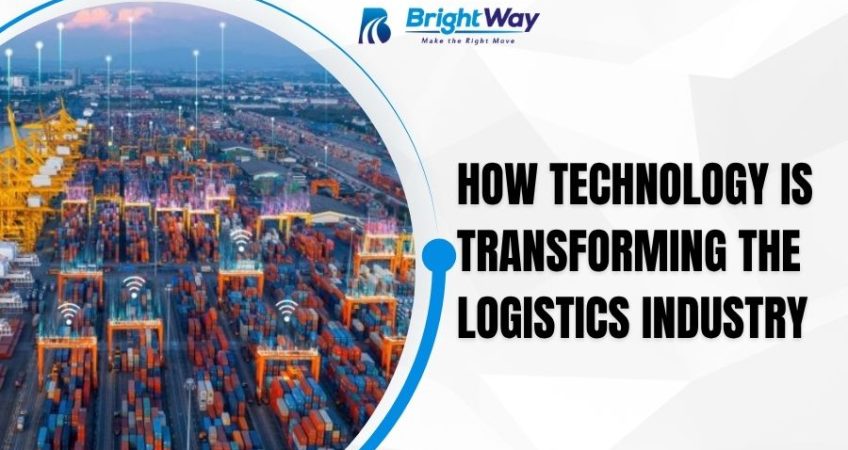
The logistics industry has evolved significantly over the past decade, driven by rapid technological advancements. Today, logistics companies in the UAE and global logistics industry companies are adopting smart technologies to improve efficiency, reduce costs, and enhance customer satisfaction. From automated warehouses to AI-driven route optimization, digital transformation is reshaping how supply chains operate.
Companies that embrace technology gain a strong competitive edge, especially in fast-growing trade hubs like Dubai, where global shipping and export from UAE activities are constantly increasing.



Smart Tracking & Real-Time Visibility
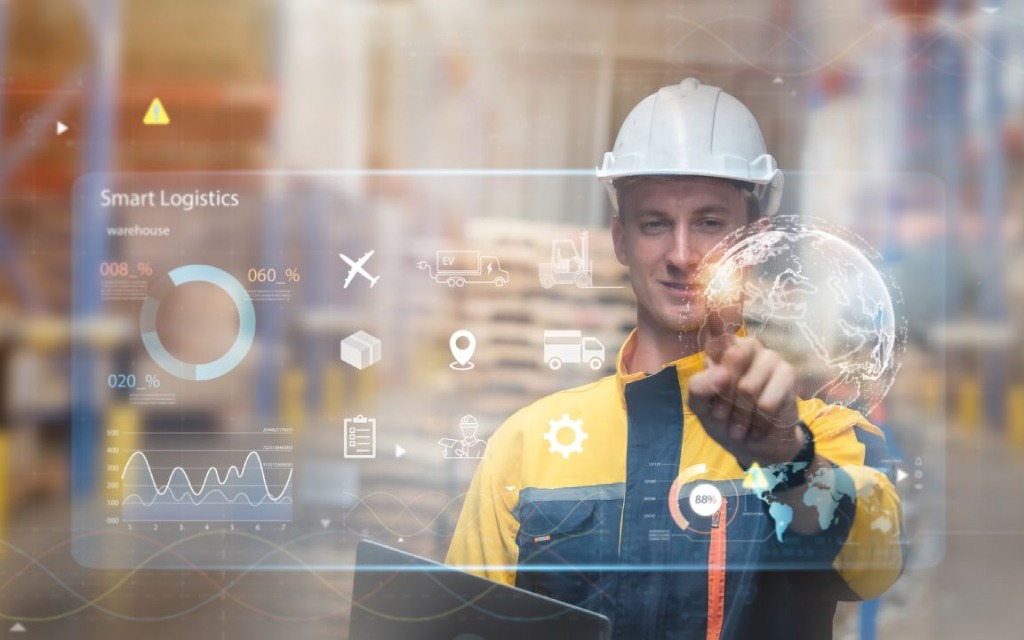
One of the biggest advancements in logistics is the use of GPS tracking and real-time shipment monitoring. Businesses can now track cargo from origin to destination, ensuring better control over deliveries. This is particularly beneficial for import export companies handling high-value shipments across international borders.
Real-time tracking not only reduces delays but also improves transparency, allowing customers to stay informed at every stage of the shipment process.
AI & Machine Learning in Logistics
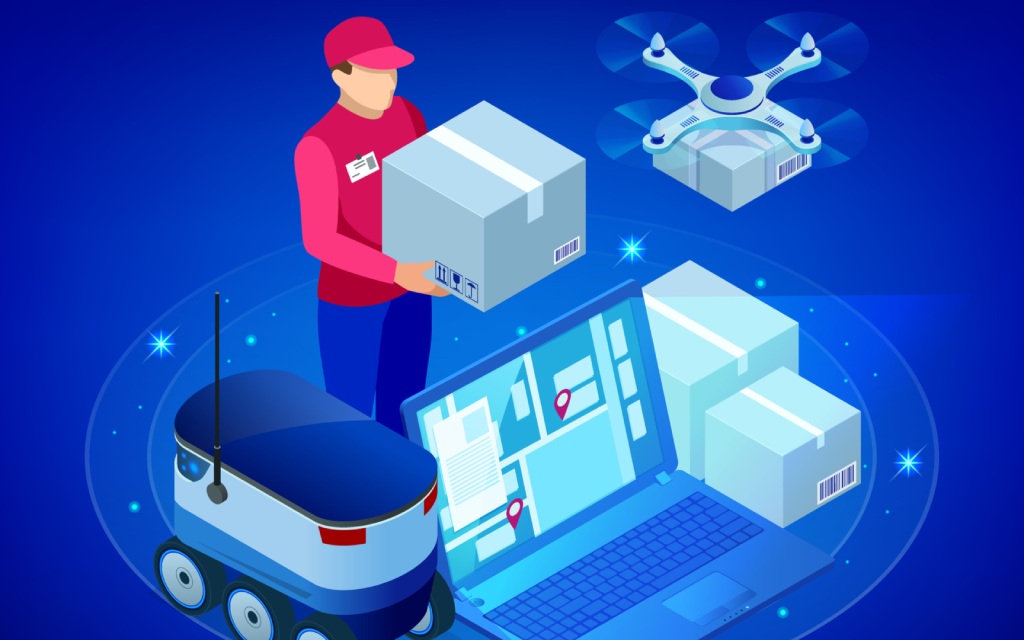
Artificial Intelligence (AI) and Machine Learning (ML) are transforming decision-making in logistics. These technologies help logistics companies in UAE analyze data, predict demand, and optimize inventory levels.
By using predictive analytics, businesses can:
✔ Avoid overstocking and stock shortages
✔ Improve demand forecasting
✔ Enhance route planning and delivery efficiency
This level of automation is becoming essential for modern logistics industry companies aiming to stay competitive.
Automation in Warehousing & Distribution
Automation in warehousing is another major breakthrough. Modern import export companies are using robotics, automated picking systems, and smart inventory tools to streamline operations.
In key logistics hubs like Dubai, advanced warehouse systems support faster order processing and efficient distribution, making supply chains more reliable and scalable.
Technology in Ports in Dubai UAE
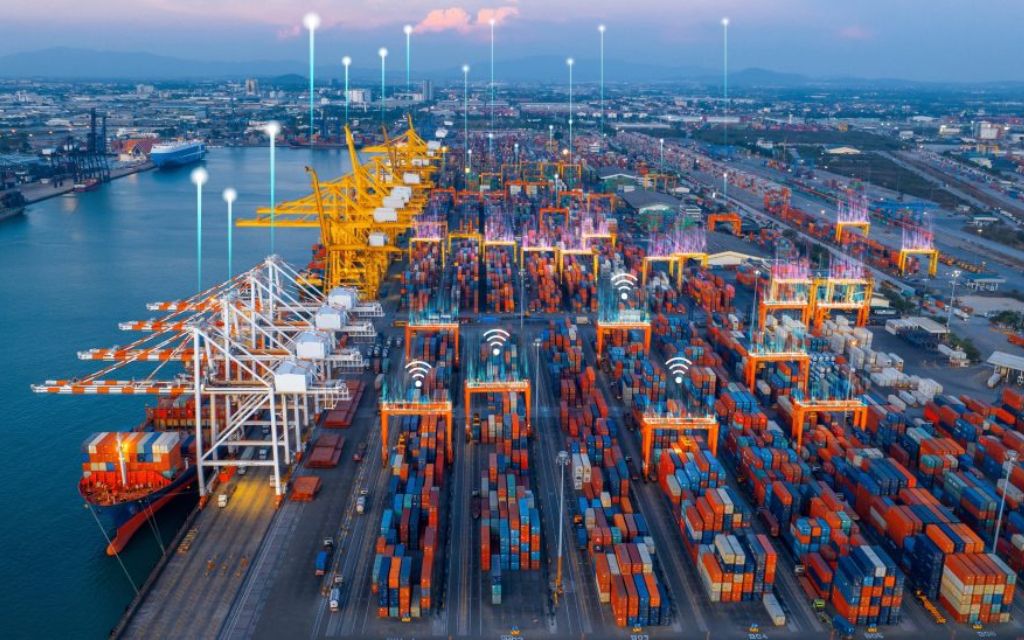
Technology is also revolutionizing operations at major ports in Dubai UAE, especially at Jebel Ali Port. As one of the largest and most advanced ports globally, it uses digital systems for cargo handling, container tracking, and customs processing.
These innovations help:
✔ Speed up cargo clearance
✔ Reduce operational delays
✔ Support smooth export from UAE operations
Such advancements make Dubai a preferred destination for global trade and logistics.
Digital Transformation in Global Trade
With the rise of eCommerce and international trade, logistics companies are increasingly investing in digital platforms. These platforms integrate shipping, warehousing, and customs processes into a single system, improving efficiency for both businesses and customers.
For import export companies, this means faster documentation, better compliance, and smoother cross-border transactions.
The Future of Logistics Technology
The future of logistics lies in continuous innovation. Technologies like blockchain, IoT (Internet of Things), and autonomous vehicles are expected to further transform the industry.
Businesses that adopt these technologies early will benefit from:
✔ Increased operational efficiency
✔ Reduced costs
✔ Improved customer experience
AI-Powered Predictive Logistics is Reducing Delivery Delays
Modern logistics is no longer dependent on manual planning and guesswork. AI-powered systems now help logistics companies predict delivery delays, optimize transport routes, monitor fuel consumption, and improve warehouse operations in real time. From smart inventory forecasting to automated shipment tracking, technology is helping businesses reduce operational costs while increasing delivery speed and customer satisfaction.
For businesses shipping across UAE and GCC countries, predictive logistics solutions are becoming essential for managing growing supply chain demands efficiently. Companies using AI-driven logistics systems can respond faster to disruptions, avoid unnecessary delays, and improve overall transportation performance.
Smart Warehousing and Real-Time Tracking are Reshaping Supply Chains
Warehouses are rapidly evolving with the help of automation, IoT sensors, barcode scanning, and cloud-based inventory systems. Smart warehousing technology allows logistics companies to track shipments accurately, reduce human errors, and improve order fulfillment speed. Real-time cargo visibility also gives customers better shipment transparency throughout the delivery process.
In today’s competitive logistics market, businesses expect faster shipping updates, secure cargo handling, and efficient supply chain coordination. Advanced logistics technology helps transport and freight companies deliver more reliable, scalable, and cost-effective services across international and domestic shipping networks.
Conclusion
Technology is no longer optional in logistics—it is essential. As logistics companies in UAE and global logistics industry companies continue to innovate, businesses must adapt to stay competitive.
From smart warehouses to advanced port systems at Jebel Ali Port, technology is driving the future of logistics and enabling seamless global trade. Companies involved in export from UAE and international shipping can achieve greater success by leveraging these advancements.