

The SABER platform, operated under the Saudi Standards, Metrology and Quality Organization (SASO), is continuously solidifying product conformity and import processes within the region. This official platform is contributing majorly in evaluating whether the products entering the Saudi market adhere to technical and safety standards.
In 2026, it has become important for importers, exporters, SABER certification Saudi Arabia and product registration KSA must be completed before cargo ships. Moreover, it is also possible that the product that earlier passed the checks without any additional certification may now also fall under the updated technical or a different conformity procedure.
Therefore, such critical factors have made it vital for importers to prepare the documents properly, avoid unexpected compliance issues, and minimize the risk of delays at Saudi customs. Let’s take a closer look at what importers need to know in detail.
- What is SABER Certification in Saudi Arabia?
- Key Certificates Involved
- Why Should Importers Check SABER Before Shipping?
- Documents and Information Importers Should Verify
- A Common Mistake: Checking SABER After The Cargo Has Already Moved
- Important Upcoming Requirements
- How Bright Way Logistic Services LLC can help
- Before You Move Your Next Shipment to Saudi Arabia
- Bright Way Logistic Services LLC: Making Import Hassle-Free
What is SABER Certification in Saudi Arabia?

SABER is an electronic platform through which companies based in Saudi Arabia can register consumer products, acquire certificates of conformity, and issue proof of shipment for consumer goods.
The platform simplifies checking of imported products for compliance with relevant Saudi standards and regulations before market entry. It also integrates all steps of the conformity processing into a single electronic system that streamlines processing for importers.
In this regard, SABER is an important instrument for companies importing goods to Saudi Arabia. To comply with the regulations, it will be necessary for the importer to fulfill the specified registration requirements depending on the nature of the product, its HS code, and intended usage.



Key Certificates Involved

The SABER process may involve various kinds of affirmations and certifications based on the nature of the product and its technical requirements. The most important stages in the process are:
1. Product Registration in KSA (SABER)
Firstly, the product may have to be registered in the SABER system. This stage is important since it makes a record of the product available and allows determining the property of the conformable product. At this stage, companies have to provide the correct information related to the product, including particulars such as manufacturer, description, name, etc.
2. Product Conformity Certificate (PCoC)
For those products that are subject to certain regulations, the company may obtain the Product Conformity Certificate (PCoC). This certificate would mean that the product is compliant with the regulations applicable in Saudi Arabia. The important point is that this certificate is needed for each individual product, and it is not a generic document applicable in general to all kinds of shipments.
3. Shipment Certificate (SCoC)
SCoC associates the shipment with the relevant product conformity information, which is required for importing products. According to SABER, commercial imported products require product registration together with either a Product Conformity Certificate or the applicable importer self-declaration, depending on the product and the requirements.
Why Should Importers Check SABER Before Shipping?

One major risk is that importers still think that clearing previous shipments without a SABER certificate will work now as well. However, this is not the case.
Saudi Arabia’s technical regulations and conformity standards can change over time, which means that what applied to a shipment before may not necessarily be applicable for the next shipment.
This is especially important when:
- You are importing the product for the first time.
- You are introducing a new HS code.
- The specifications for the products have changed.
- You are dealing with a new manufacturer or supplier.
- The product is being sent to Saudi Arabia for the first time.
- A relevant Saudi technical regulation has been modified recently.
Confirming SABER applicability before the shipment takes place provides the importer with sufficient time to obtain certificates, testing, declarations, labels, and other relevant documents. Not implementing the necessary conformity procedures can lead to delays in customs clearance. In some cases, the shipment might even be subject to extra measures or returned.
Documents and Information Importers Should Verify
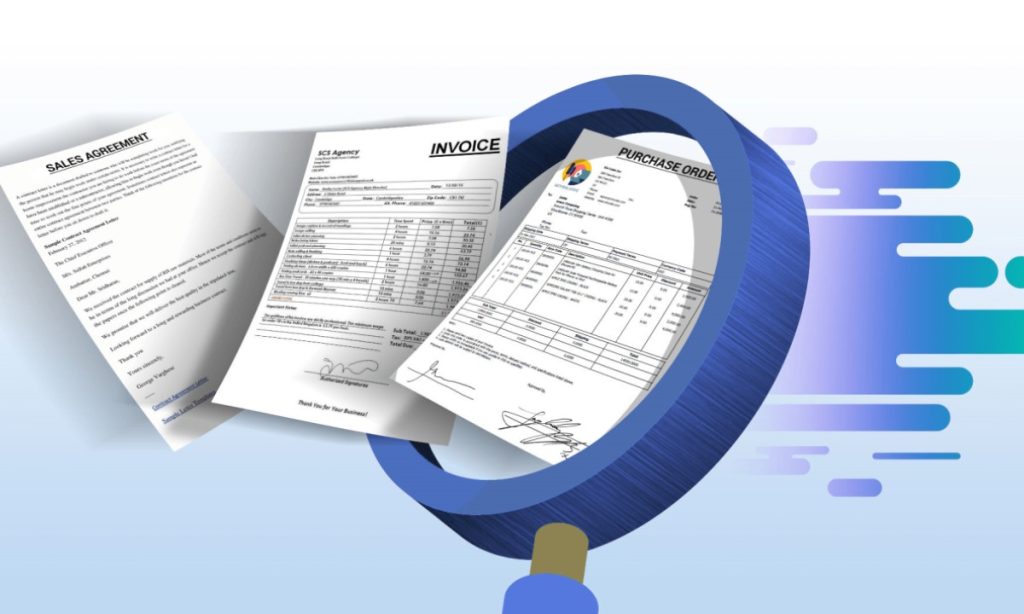
Before making the products enter into the Saudi market, importers should check the product and shipment information properly. All the details should be correct and consistent across SABER registration, certificates, commercial documents, and customs paperwork. Here is what importers need to check:
- HS Code
- Product description
- Manufacturer details
- Country of origin
- Product model or part number
- Commercial invoice
- Packing list
- Product specifications and technical documents
- Existing conformity or test certificates, where applicable
- Importer details
- Saudi Commercial Registration information
The HS code is extremely important because it applies to the process of classification of a product. The incorrect application of HS codes can lead to assumptions about the requirements for certification.
Also, names and descriptions of products should be unified across all documents. Discrepancies in names, model numbers, producer information, quantity, and description can cause complications in the process of certification and customs clearance.
A Common Mistake: Checking SABER After The Cargo Has Already Moved

SABER verification should not be considered a last-minute step for obtaining clearance by customs.
If certification has to be obtained, or if testing, extra technical documentation, or labeling changes are required and this fact is discovered only after the cargo has already left, time for processing the cargo becomes shorter.
That means that the importer can waste time and incur additional expenses resulting from the need to store and process the shipment. There may be additional customs procedures before the release of the shipment in question.
The safer approach is simple: check SABER applicability before booking and moving the shipment.
Important Upcoming Requirements
According to SABER information, starting from 1st of October 2026, it will be mandatory to include the name of the supplier, which can be either the importer or the local manufacturer, as well as the number of the Commercial Registration (CR) on the label of the product that comes under the jurisdiction of 10 specific technical regulations.
This new requirement entails the necessity for importers to consider the labels of their products beforehand. The importers need to verify if their products are included in the specified technical regulations and check for the label requirements.
If businesses avoid preparation for the new requirement in advance, they might face certain compliance issues if their labeling does not meet the new regulations.
Therefore, reviewing the applicable labeling requirements before the shipment is prepared can avoid last-minute changes and potential delays.
How Bright Way Logistic Services LLC can help

At Bright Way Logistic Services LLC company we know that shipping products to Saudi Arabia requires more than just arranging transportation. Companies also have to think about documentation, customs processes, conformity obligations, and cross-border logistics.
We can provide assistance to both customers and freight forwarders at different stages of the process of shipping products to Saudi Arabia. We help with:
- SABER certification and product registration KSA support
- Documents for shipments coordination
- Land freight in Saudi Arabia
- Customs clearance coordination
- IOR/EOR services
- Cross-border shipment
- LTL and FTL shipments to Saudi Arabia
By coordinating these requirements in advance, companies can prepare properly for the import into Saudi Arabia and minimize the risk of unforeseen logistics or documentation problems.
Before You Move Your Next Shipment to Saudi Arabia
Prior to the next shipment, take some time to consider some basic requirements for compliance.
- The HS Code should be checked.
- The application of SABER should be considered.
- The necessary certificates and documents should be generated.
- The labeling of the product should be verified.
- Finally, the shipment can be moved.
Taking a few minutes to check compliance before dispatching cargo can avoid unnecessary delays, costs, storage problems, and border complications when importing into Saudi Arabia and support businesses in incorporating SABER checks into their shipping process.
Bright Way Logistic Services LLC: Making Import Hassle-Free
Having an efficient logistics partner is crucial for transporting goods to and from the GCC and Saudi Arabia. Bright Way Logistic Services LLC offers significant assistance to companies undergoing transport and logistics management for shipping across the GCC, especially to and from Saudi Arabia.
Moreover, we manage our clients’ land transportation and coordinate customs, as well as IOR/EOR and LTL/FTL, in order to apply efficient solutions for shipping issues. Therefore, businesses can surely consider partnering with us for reliable logistics and shipping solutions.
Also Read:
Cross-Border Land Freight Across the GCC
Land Freight from Dubai to Saudi Arabia – LTL & FTL Road Transport Services
UAE Imports and Exports 2026 – Top Products & Trade Guide
Ultimate Guide to the Export Process from Jebel Ali Port Dubai
Khorfakkan Port Customs Clearance 2026 | GCC Transit Cargo by Road UAE
Frequently Asked Questions (FAQ)
What is the difference between SASO and SABER?
SASO (Saudi Standards, Metrology and Quality Organization) is the government regulatory body that sets the technical regulations and product standards. SABER is the electronic platform SASO operates to implement those regulations — where importers actually register products, request PCoC/SCoC certificates, and get shipment approvals.
How much does a SABER certificate cost?
Costs vary by product type, technical regulation, number of product lines, and whether lab testing is required, so there's no single fixed fee — typically it includes a product registration fee, a PCoC fee (varies per HS code/category), and a per-shipment SCoC fee, plus any third-party testing costs if applicable.
How long is a SASO/SABER certificate valid for?
Validity depends on the certificate type — a Product Conformity Certificate (PCoC) is generally valid for one shipment or for a set period tied to that product batch, while product registration itself can remain valid longer unless the underlying technical regulation changes, which is exactly why the page's "check before every shipment" advice matters.
How to check the HS code in SABER?
Importers can verify a product's HS code directly on the SABER platform during the product registration step, where entering the HS code determines which technical regulation (if any) applies and whether a PCoC, self-declaration, or no certificate is required — getting this code wrong is one of the most common causes of certification errors mentioned in the page.