
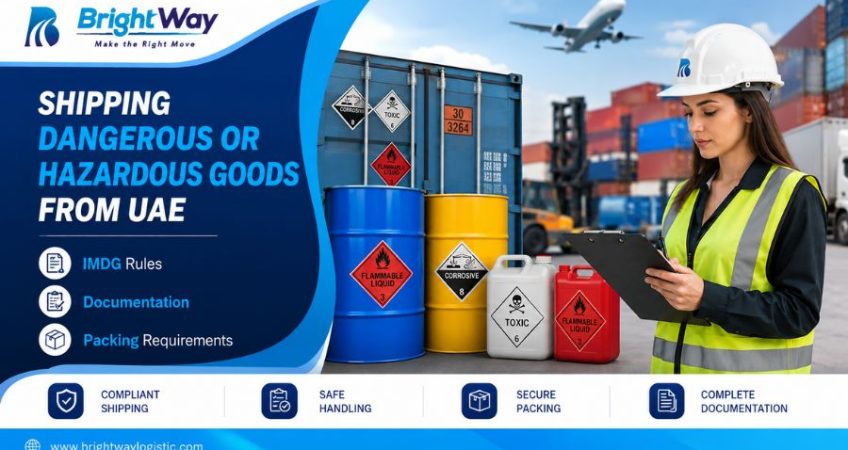
Shipping dangerous goods from the UAE requires strict compliance with the IMDG Code for sea freight or the IATA DGR for air freight. The requirements include Safety Data Sheets (SDS), UN-certified packaging, and a Dangerous Goods Declaration (DGD).
Getting hazardous cargo rejected at UAE customs can be a nightmare for any exporter. Whether due to incomplete data submission or missing hazard labels, it can result in immediate cargo rejection, heavy fines, and vessel or aircraft blacklisting. Fortunately, these mistakes can be avoided by maintaining strict compliance with the applicable guidelines, including IMDB Code for sea freight and IATA Dangerous Goods Regulations (DGR) for air freight. This helps you with cargo classification, safe packing, labelling, stowage, and segregation, making dangerous goods shipping UAE compliant and smooth.



What are Dangerous Goods?
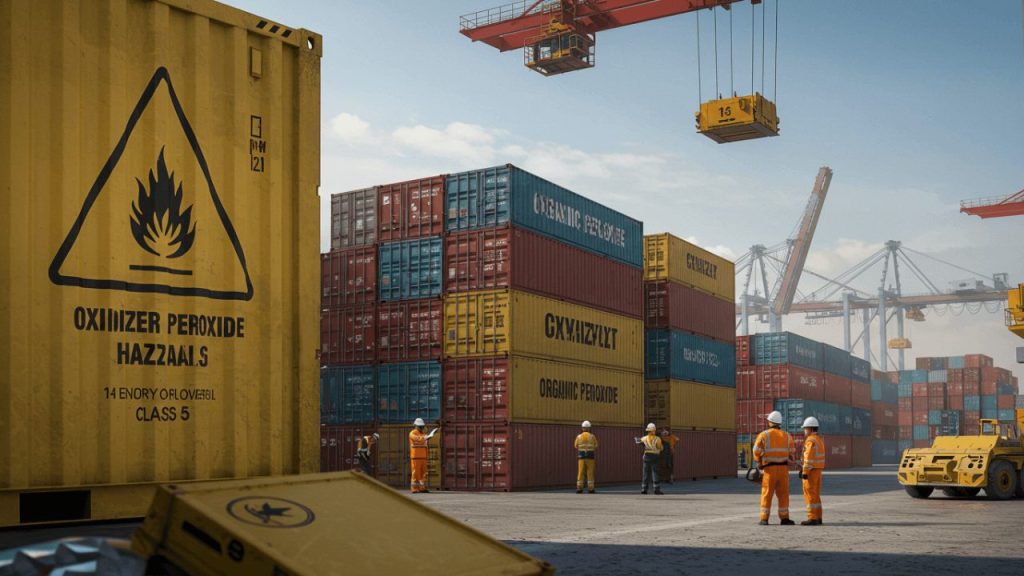
Dangerous goods (DG) are also known as hazardous substances or articles that can cause harm to people, property, and the environment during transport. Before shipping hazardous cargo from the UAE you need to understand their classification, as it determines the applicable documents, passport, and transport requirement.
These goods are categorized into 9 UN classes, including daily commercial articles such as paint, lithium batteries, and perfume. They include:
- Class 1: Explosives (fireworks, ammunition)
- Class 2: Gases (propane, helium, aerosols)
- Class 3: Flammable liquids (paints, perfumes, nail polish)
- Class 4: Flammable solids (reactive or easily combustible materials)
- Class 5: Oxidizing substances and organic peroxides
- Class 6: Toxic and infectious substances
- Class 7: Radioactive materials
- Class 8: Corrosive substances (acids)
- Class 9: Miscellaneous dangerous goods (lithium-ion batteries)
UAE Regulations for Dangerous Goods Shipping UAE

Shipping dangerous goods from the UAE requires strict adherence to the national and global standards for safety. These regulations are enforced by the UAE General Civil Aviation Authority (GCAA), local municipal bodies, and global standards like IATA and the IMDG Code.
Here are the regulations of the UAE regarding dangerous cargo shipping:
- GCAA Certification for Air Freight
An entity that is shipping dangerous goods through air freight services in UAE must hold a Dangerous Goods Certification from the UAE General Civil Aviation Authority under CAR Part VI Chapter 2.
- Trained Personnel Only
Any physical inspection, document verification, and cargo tender happening at the acceptance airport must be completed by only GCAA-certified trained personnel who have extensive experience in handling dangerous goods, with valid IDs.
- IATA Dangerous Goods Regulations (DGR)
Air shipments containing dangerous goods must comply with IATA Dangerous Goods Regulations (DGR). The General Civil Aviation Authority (GCAA) of the UAE is responsible for managing the implementation of applicable aviation rules.
It consists of accurate UN specification packaging and a valid Shipper’s Declaration for Dangerous Goods (SDDG) with a 24-hour emergency telephone number.
- IMDG Code (International Maritime Dangerous Goods Code)
IMDG Code UAE is a mandatory requirement when shipping dangerous goods using sea freight shipping services in UAE. It mandates proper UN classification of the 9 hazardous goods, certified packaging, and an accurate Dangerous Goods Declaration (DGD).
IMDG rules also state proper segregation of materials or articles inside the containers or vessels by following the strict IMDG separation matrices.
- ADR (European Agreement for Road Transport of Dangerous Goods)
Compliance with the ADR guidelines is mandatory when shipping goods through land freight services in UAE to Europe, while Gulf Cooperation Council (GCC) countries have their own regulations and bilateral transport agreements.
- UAE Civil Aviation Authority (GCAA)
The UAE Civil Aviation Authority (GCAA) regulates dangerous goods shipping by air through CAR Part VI. It enforces ICAO Technical Instructions and IATA Dangerous Goods Regulations (DGR) to maintain safety during transport. Partners like Brightway Shipping and Logistics provide complete support.
- NCEMA (National Emergency Crisis & Disaster Management Authority)
NCEMA (National Emergency Crisis & Disaster Management Authority) UAE is a national coordination body that administers the multi-agency or national-level emergency response to threats regarding dangerous cargo shipping.
How to Ship Dangerous Goods From the UAE?
Follow the steps below to ship or export hazardous cargo UAE, while maintaining compliance with the regulations and avoiding delays and fines:
- Correct Goods Classification
To identify which category the articles belong to, use the UN dangerous goods list based on its specific UN Number, Proper Shipping Name (PSN), and Hazard Class.
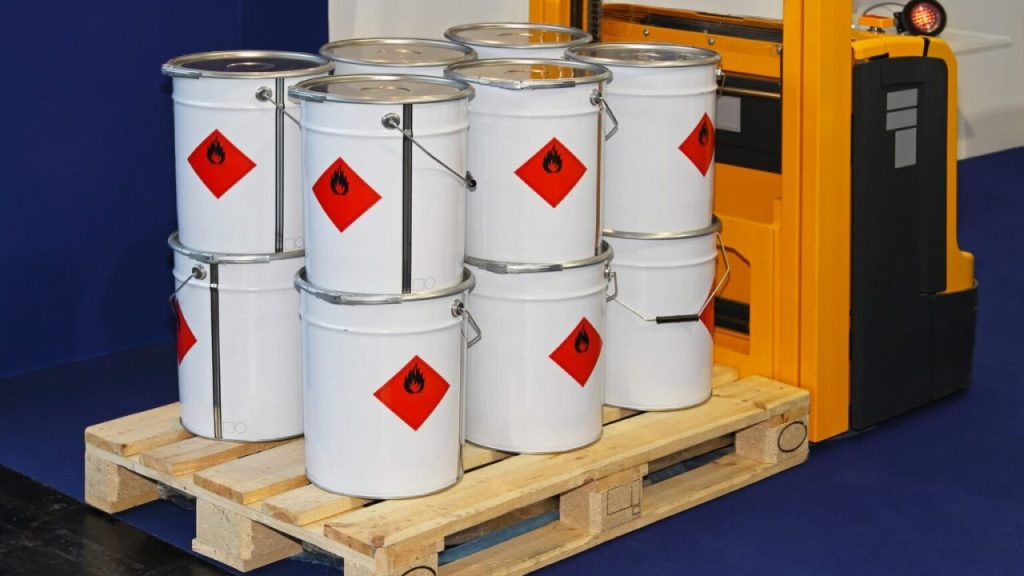
- Packaging and Labeling
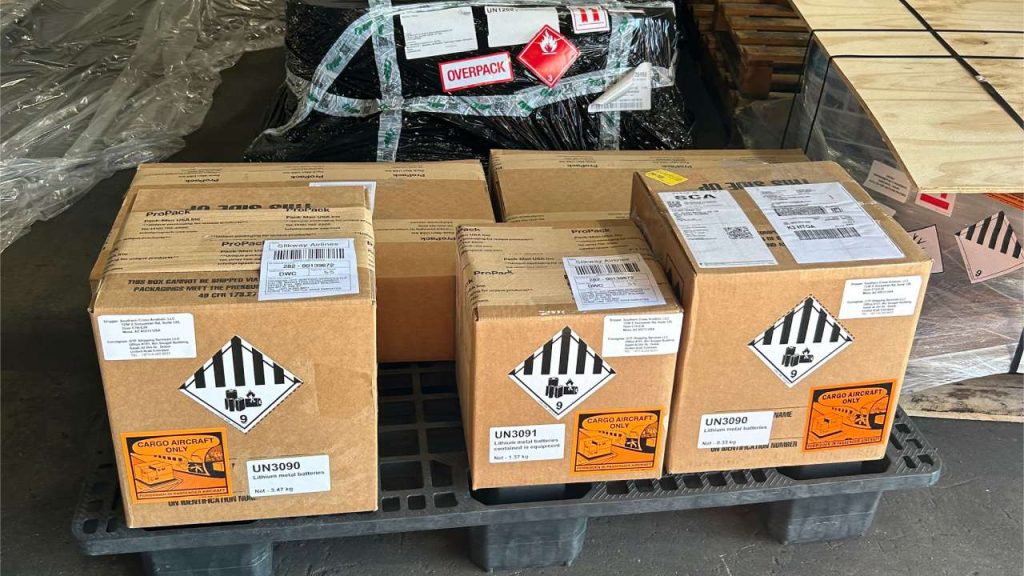
The DG cargo must be packed using UN-certified packaging guidelines. Also, make sure it consists of accurate labeling to ensure compliance and make handling easy, including:
- Hazard Class Labels
- UN Number
- Proper Shipping Name
- Special Handling Labels
- Specialized Marks
In addition, UAE ports strictly enforce local pre-approval rules for handling and temporary storage. So, consider only trusted warehousing services in UAE for safe storage.
- Documentation
Complete the DG shipping documentation process by filling out the Dangerous Goods Declaration (DGD) or air or sea declaration form. Ensure they are signed by a certified DG professional to avoid errors and the risk of fines, and that they are submitted before shipping.
- Customs Clearance
Complete the customs clearance process by complying with the IATA (air) or IMDG (sea) codes and UN-certified packaging regulations. Also, mandatory approval from the relevant government authorities is necessary, depending on the type of dangerous good being exported. Consider expert Customs Clearance services in UAE to make the process regulated and compliant.
Documents Required in the Shipment of Dangerous Goods from UAE
Here are the necessary documents that are mandatory in the process of shipping hazardous cargo from the UAE:
- Safety Data Sheet (SDS)
- Dangerous Goods Declaration (DGD for air and DGN for sea)
- Shipper’s Letter of Instructions (SLI)
- Air Waybill or Bill of Lading
- Commercial Invoice
- Packing List
- Certificate of Origin
- Special Export Permits
Mandatory Packing Requirements for Hazardous Cargo UAE
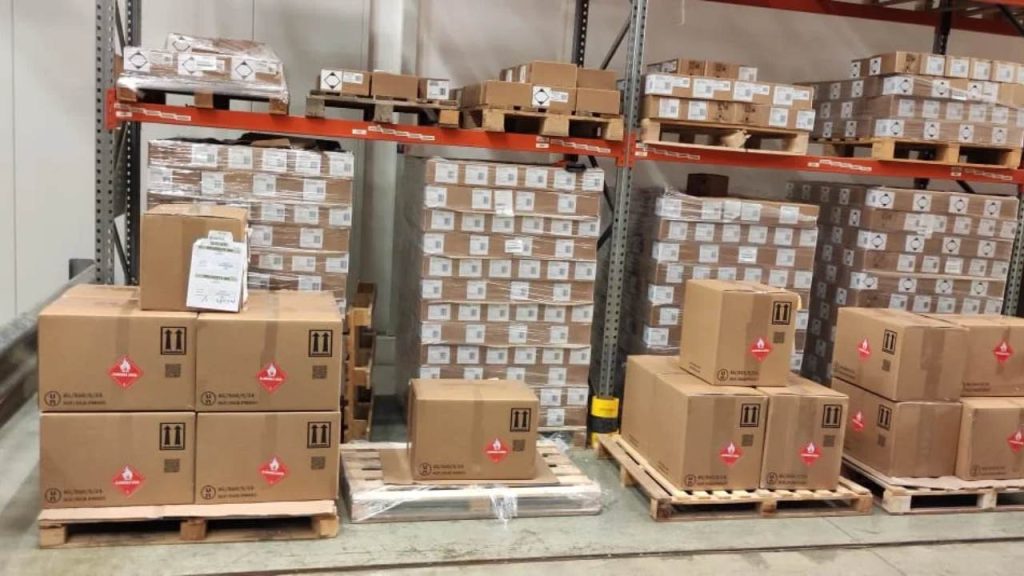
Ensure the following packing requirements are met for the hazardous cargo UAE:
- UN-Specification Containers
- Packing Groups
- Inner and Outer Layers
- UN Numbers and Names
- Diamond Labels
- Handling Signage
- MSDS, SDS, and DGD
- Transport Paperwork
Conclusion
To ship dangerous goods from the UAE, you must ensure the documentation is accurate while maintaining compliance with the shipping regulations and standards, such as the IMDG Code for sea freight and the IATA Dangerous Goods Regulations (DGR) for air transport. Also, complete DG shipping documentation, such as Air Waybill, SLI, special export permits, and others, to ensure safe and compliant transportation.
Connect with Bright Way Logistic Services LLC for expert shipping support in the UAE. We are an experienced logistics company in Dubai that provides complete support for dangerous goods shipping by handling documentation, complying with UAE regulations and international standards to ensure safe handling and transportation. Our team assists you with every step, with consistent client support. So, reach out to us to get your DG logistics services in the UAE.
Also Read:
Warehousing Services in UAE
International Courier Services UAE
Packing Services in UAE
Exhibition Cargo Services UAE
project cargo logistics services in UAE