
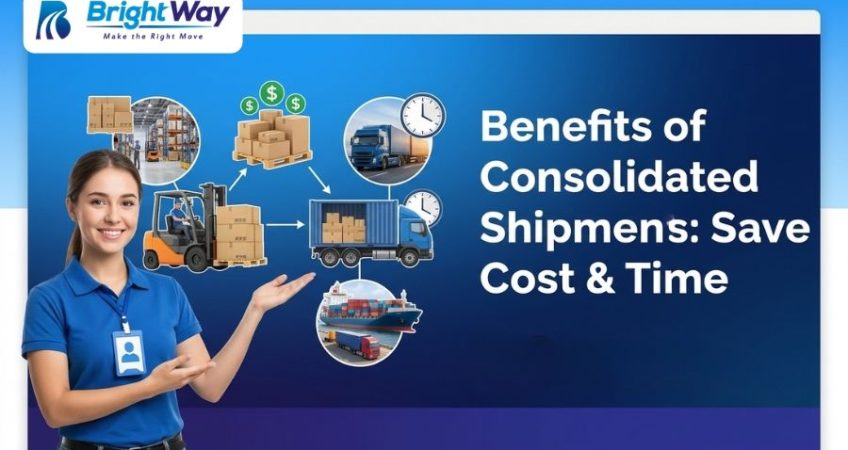
Consolidated shipping combines small loads from different businesses or shippers into a single larger container or truck. Everyone shares the cost, so you don’t pay for a whole container or vehicle when you are shipping only a few items or boxes. Your items are packed with other shipments going the same way.
Shipping goods across borders can be costly and slow for growing businesses in the UAE. Managing smaller freight shipments is a major problem for them, as paying for an entire container or truck can waste their money. Consolidated shipping, which combines your smaller cargo with shipments from other businesses, helps you avoid paying for any extra space.
Instead of delaying your deliveries or paying for unused space, you share the transport cost with other businesses. It is the smartest way to lower your logistics expenses and deliver your goods on time. Read on to learn about the top benefits of consolidated shipments, how it differs from LCL shipping, calculating CBM, and more.
- What Is Consolidated Shipping?
- What Are the Top Benefits of Consolidated Shipments?
- Ship Smarter from Dubai with Brightway Logistics
- How Does Consolidated Shipping Work?
- Small Shipments, Big Savings: Let Brightway Handle It
- Consolidated Shipping vs LCL Shipping from Dubai
- How to Calculate CBM for Your Cargo?
- Choosing a Trusted Transport and Logistics Company in UAE
- Streamline Your GCC Supply Chain with Brightway Logistics
What Is Consolidated Shipping?
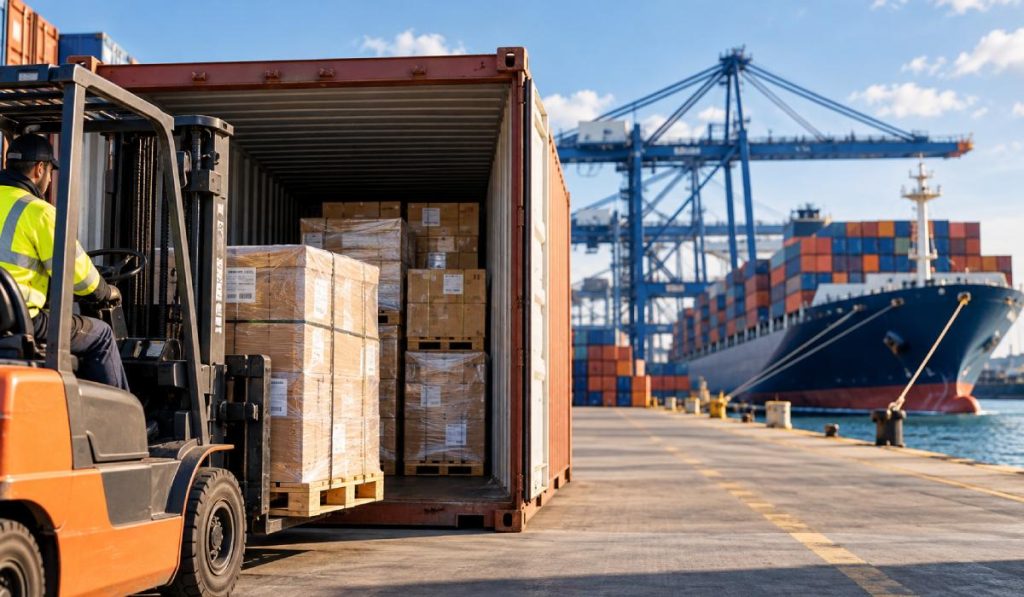
Consolidated shipping is a smart logistics strategy where a freight forwarder or carrier combines multiple smaller shipments into a single, larger load going the same way, region, or destination. This simply means your smaller cargo is combined with shipments from other suppliers or businesses into a single shared shipping container or truck. Business owners share the same transport space and cost. Once the large container reaches its destination city, the combined cargo is separated and delivered to the final customers.



What Are the Top Benefits of Consolidated Shipments?
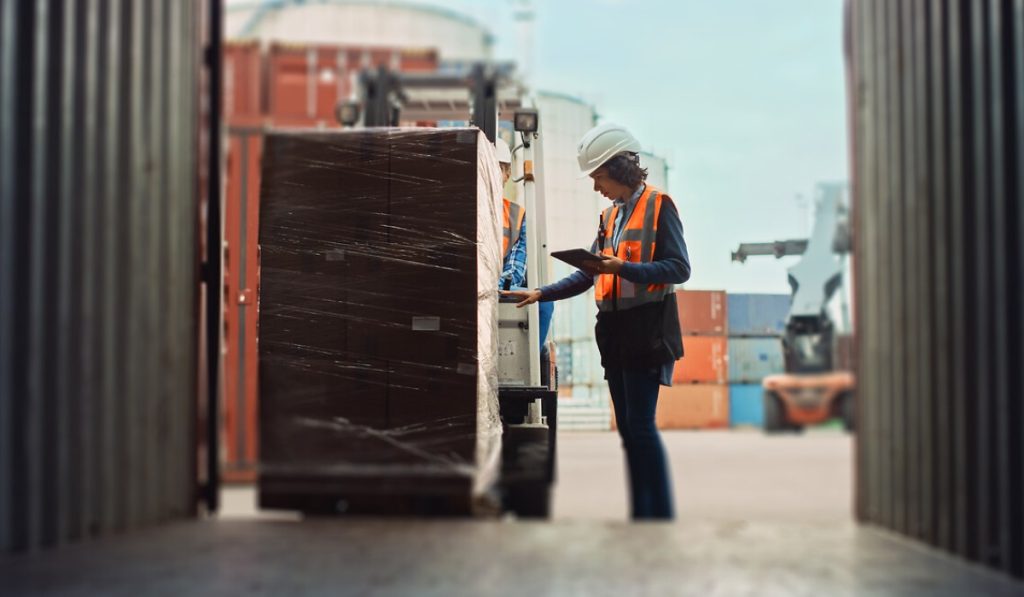
The top benefits of consolidated shipments are that they help you save money, share transport fees, and improve daily logistics operations.
1. How Consolidated Shipping Cuts Your Costs
- Shared Space Payments: Instead of paying for a full truck or container, you pay for the exact volume your items use. You share the total space and cost with other businesses, making consolidated shipments best for growing businesses.
- Lower Handling Fees: Combining multiple smaller shipments can reduce separate loading and handling work. This may help businesses save on handling fees when using consolidated and LCL shipping from Dubai.
- Accurate Volume Pricing: When you learn how to calculate CBM, you can easily plan the exact space needed for your shipments. This ensures you never waste money on empty space inside a container.
- Affordable Small Orders: When you choose cost-effective consolidated and LCL shipping solutions, you can easily move smaller product batches. You don’t have to delay your delivery and can easily handle this problem.
2. How Consolidated Shipping Optimizes Your Time
- Faster Port Checkouts: Trusted providers of air, ground, and sea freight services in UAE move your combined goods together. They handle customs clearance for shared cargo professionally, which reduces delays at busy border checkpoints or regional ports.
- Optimized Routing: Top-rated freight forwarders in the UAE like Brightway Logistics plan direct or coordinated multi-stop routes for full containers or trucks. This avoids delays during transport and ensures on-time delivery.
- Streamlined Final Delivery: When you work with a trusted logistics partner who also provides door-to-door cargo service UAE and in other countries, you can ensure that your items smoothly reach the final recipients.
- Better Shipment Coordination: When multiple shipments are managed together, logistics providers can coordinate cargo collection, paperwork, and transport more efficiently. This reduces unnecessary waiting between different shipping stages.
3. Additional Benefits of Consolidated Shipments
- Reduce Risk of Damage: Your goods experience fewer stops, sorts, and transfers in consolidated or combined shipping. Safe packing in a shared container and direct routing to the same destination lowers the chances of items getting misplaced, dropped, or damaged during transit.
- Lower Environmental Impact: Combining multiple smaller shipments into a single full container or truck means fewer trucks and boats are needed. This lowers global carbon emissions by reducing the total fuel consumption per unit of freight moved.
How Does Consolidated Shipping Work?
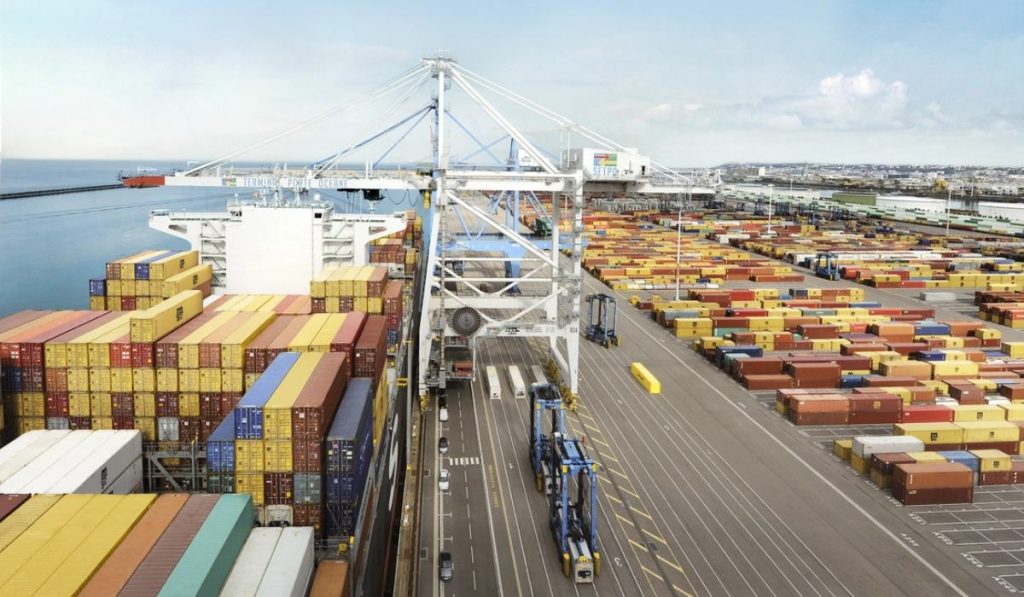
It combines smaller shipments from different senders or suppliers into a shared container or vehicle. So, each business pays only for the space their cargo occupies. Here is how it works:
- Cargo Collection: The process starts when a transport and logistics company in UAE collects small shipments from various shippers. The freight forwarder either picks up the shipments or the shippers deliver them to a central warehouse. Then, the forwarder weighs, measures, and inspects each pallet to confirm dimensions and weight.
- Consolidation or Grouping: At the warehouse, logistics teams sort and group cargo based on their final destination. Cargo heading to the same region is grouped. Consolidators smartly load and secure the smaller shipments into a shared container to maximize space and prevent shifting.
- Documentation: Trusted logistics companies in the UAE, like Brightway Logistics, handle paperwork for each shipment. They prepare bills of lading and commercial invoices, and manage other records to ensure every package is compliant and ready for smooth movement.
- Customs Clearance: Your logistics partner manages all the necessary border paperwork when cargo enters or leaves a country. They provide professional customs clearance services in UAE and other countries, helping mixed cargo pass inspections and move without delays.
- Transport: Once cleared, the shared container or truck moves along the scheduled international or domestic trade route. When you choose air, ground, or sea freight services in UAE offered by top-rated companies, you can easily track your shipment progress through the forwarder’s platform.
- Deconsolidation & Final Delivery: At the destination, the container is taken to a local warehouse. Their expert teams unpack, sort, and separate individual orders for local pickup or final door-to-door cargo service UAE or other countries.
Consolidated Shipping vs LCL Shipping from Dubai
Many businesses think that consolidated and LCL shipping from Dubai are the same. LCL is a type of freight setup handled by ocean carriers, whereas the other one is a broader logistics strategy used by freight forwarders to combine various goods to lower costs.
| Feature | Consolidated Shipping | LCL (Less than Container Load) Shipping |
| What It Means | Mixing different types of cargo (air, ocean, or land) from multiple companies into one trip. | Sharing space inside a single standard ocean container specifically for sea freight. |
| Transport Method | Can use air, sea, or road transport. | Uses sea freight only. |
| Who Manages It | Freight forwarders | Ocean carriers or special groupage operators |
| Shipment Size | Can include different shipment sizes from multiple businesses. | Best for shipments that do not fill an entire container. |
| Pricing Basis | Depends on cargo weight, size, transport mode, and route. | Usually calculated by cargo volume (CBM) or weight, whichever is higher. |
| Best Used For | Businesses shipping goods through shared transport across different modes. | Businesses shipping smaller cargo by sea without booking a full container. |
Note: Businesses looking for consolidated or LCL shipping from Dubai must know that LCL shipping is a type of consolidated shipping. The latter is a broader term that also covers air and road transport.
How to Calculate CBM for Your Cargo?
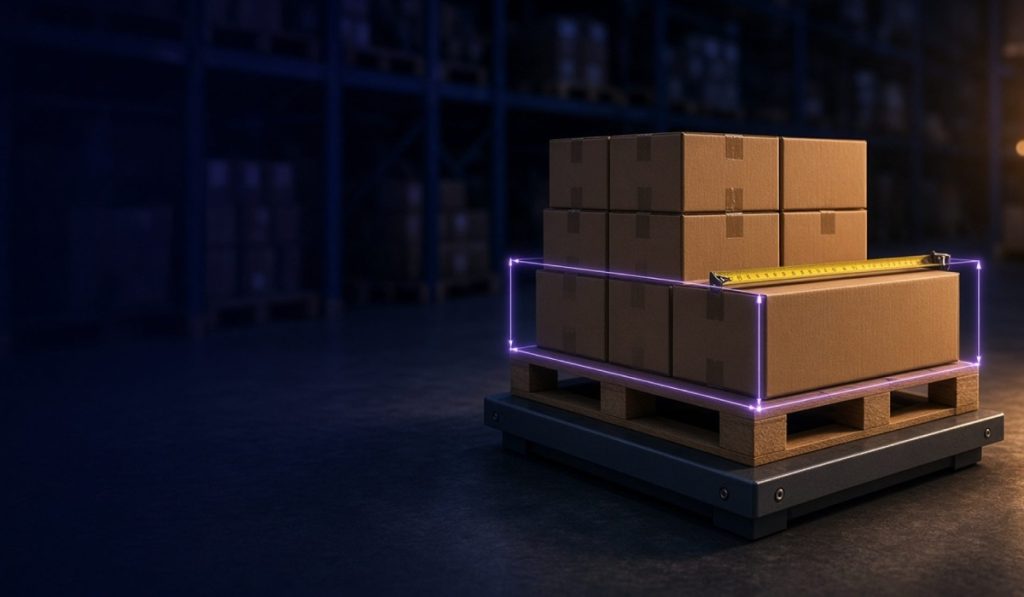
CBM is the easiest way to measure how much space your cargo takes up. A logistics company in UAE uses this to find out your shipping costs and determine how to fit your boxes in a delivery container.
- Measure Your Shipping Box: Use a tape measure to find the exact length, width, and height of your package in meters. If you measure in centimeters, simply divide those numbers by 100 first.
- Multiply the Three Dimensions: You have to multiply the length, width, and height together to get the total volume. This calculation gives you an idea of the exact space a single box will occupy during its journey.
- Account for total boxes: Multiply the single box volume by the total number of boxes in your shipment. This final number gives you the total space needed for your entire order.
If dimensions are in meters:
CBM = Length (m) × Width (m) × Height (m) × Number of Boxes
How to Calculate CBM: A Quick Example
Suppose you have 10 boxes, and each box has length 50 cm (0.5 m), width 40 cm (0.4 m), and height 30 cm (0.3 m).
Step 1: You need to calculate the CBM of each box
CBM = Length x Width x Height
CBM = 0.5 x 0.4 x 0.3 = 0.06 CBM
Step 2: Calculate the total CBM for 10 boxes
Total CBM = 0.06 x 10 = 0.6 CBM
So, the total volume of your 10 boxes is 0.6 CBM.
Choosing a Trusted Transport and Logistics Company in UAE
Choosing the right partner to handle your cargo is a must to maintain smooth business operations. When you select a trusted transport and logistics company in the UAE, you need to focus on these points to avoid delivery delays or unexpected shipping problems.
- Proven Regional Expertise: Choose a team with good experience handling UAE customs and rules for customs clearance in countries you usually ship to. This will protect your business from expensive fines or delays at borders.
- Complete Supply Chain Support: It is best to work with companies that handle everything from transport to final delivery. They safely manage your shipments and customs clearance and offer flexible warehousing services in Dubai and other destinations to keep your valuable goods secure.
- Clear and Honest Pricing: Your logistics provider must give you clear costs without hidden fees. This helps you budget accurately and keeps your total shipping expenses predictable every single month.
- Safe and Secure Handling: You must confirm their team uses high-quality packaging and advanced tracking tools. This will protect your items from damage and track the location of the shipments during transit.
- Reliable Communication: Choose a logistics provider that keeps you updated about your shipment status, transit progress, and any unexpected issues. Their team must provide instant answers to your queries.
- On-Time Delivery Record: When you choose a logistics company in UAE, you must confirm they maintain a good on-time delivery record.
Streamline Your GCC Supply Chain with Brightway Logistics

When you choose consolidated or combined shipping, you only pay for the exact space your goods occupy. This reduces unnecessary warehouse stops, lowers handling risk, and keeps your supply chain moving. Partner with Brightway Logistics to cut your shipping expenses and speed up your deliveries.
Our experts manage the entire process, from packing to transport and final delivery without any unnecessary delays. We offer custom freight solutions, customs clearance, and warehousing services in Dubai. Share your details with our team today to get a quote for your shipments.
Also Read:
Frequently Asked Questions (FAQ)
What are the main benefits of consolidated shipments?
The main benefits of consolidated shipments are shared transport expenses, better cargo planning, and reduced risk of damage.
How does consolidated shipping work?
A logistics provider collects smaller shipments, groups cargo going to the same destination, handles paperwork, and arranges transport and final delivery.
What is the difference between consolidated shipping and LCL shipping?
LCL shipping is a type of consolidated shipping that uses sea freight. Consolidated shipping is a broader term covering air, sea, and road transport.
How do I choose a reliable logistics company in UAE?
You have to check the company’s experience, pricing terms, service coverage, cargo handling methods, communication, and delivery record before choosing them for your supply chain.