
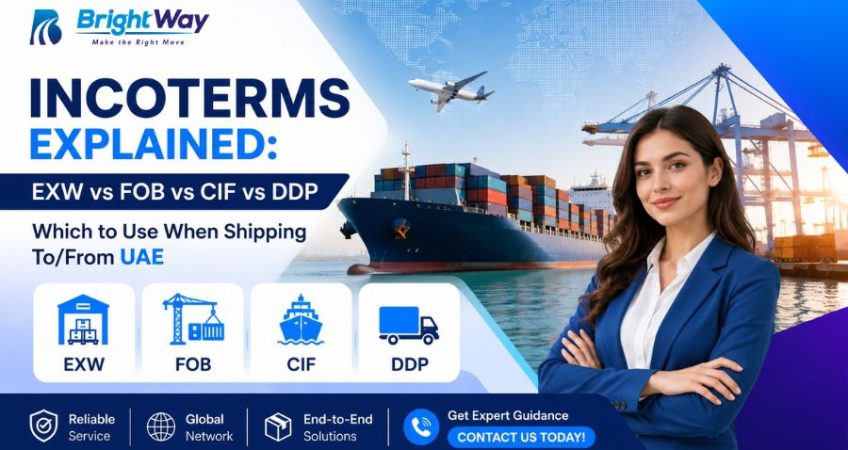
Incoterms set the rules for who pays and who takes risk in global trade. For businesses using Incoterms UAE, EXW means the buyer handles all transport, FOB splits duties at the origin port, CIF adds shipping and basic insurance to the destination, and DDP requires the seller to cover costs up to the final destination.
To ship goods to or from the UAE, you need to choose the right Incoterms. Incoterms UAE like EXW, FOB, CIF, and DDP simply decide who pays for freight, handles customs clearance, and takes responsibility if cargo is damaged during transport. If you choose the wrong term, you have to face costly fees at ports. Understanding these four major shipping terms is a must for anyone involved in global trade.
This means the selected Incoterm determines how costs, responsibilities, and risks are divided between the buyer and seller. Incoterms prevent costly arguments by setting clear rules for transport, insurance, and customs duties. Read on to know more about them, which one is right for your business, common mistakes to avoid, and more.


- What are Incoterms or International Commercial Terms)
- Why Do Incoterms Matter When Shipping To or From UAE?
- What Does EXW (Ex Works) Mean?
- What Buyers and Sellers Handle Under EXW?
- What Does FOB (Free on Board) Mean?
- What Buyers and Sellers Handle Under FOB?
- What Does CIF (Cost, Insurance, Freight) Mean?
- What Buyers and Sellers Handle Under CIF?
- EXW vs FOB: 5 Main Differences
- What Does DDP (Delivery Duty Paid) Mean?
- What Buyers and Sellers Handle Under DDP?
- Which Incoterm to Use When Shipping to or from UAE?
- CIF vs DDP: 5 Main Differences
- EXW vs FOB vs CIF vs DDP: Key Differences Among Them
- Key Mistakes to Avoid When Choosing Incoterms UAE
- Simplify Your UAE Shipping with Brightway Logistics
What are Incoterms or International Commercial Terms)

Incoterms are global rules made by the ICC, and these explain who pays and takes the risks when goods move from a seller to a buyer in trade. These are a set of 11 rules that must be known by those involved in domestic and international product shipments. By clearly explaining the following responsibilities, these terms help in avoiding misunderstandings in international trade:
- Assign Costs: These show who pays for freight, import and export taxes, and insurance.
- Shift Risk: Indicates the exact point at which responsibility transfers from the seller to the buyer if anything breaks or is lost.
- Handle Paperwork: Tells who manages shipping paperwork, gets the export stamps, and clears goods through customs at the border.
- Safe Handoff: These shipping terms UAE sets the final price where the seller must drop off the cargo so the buyer can pick it up and take full control.
Why Do Incoterms Matter When Shipping To or From UAE?
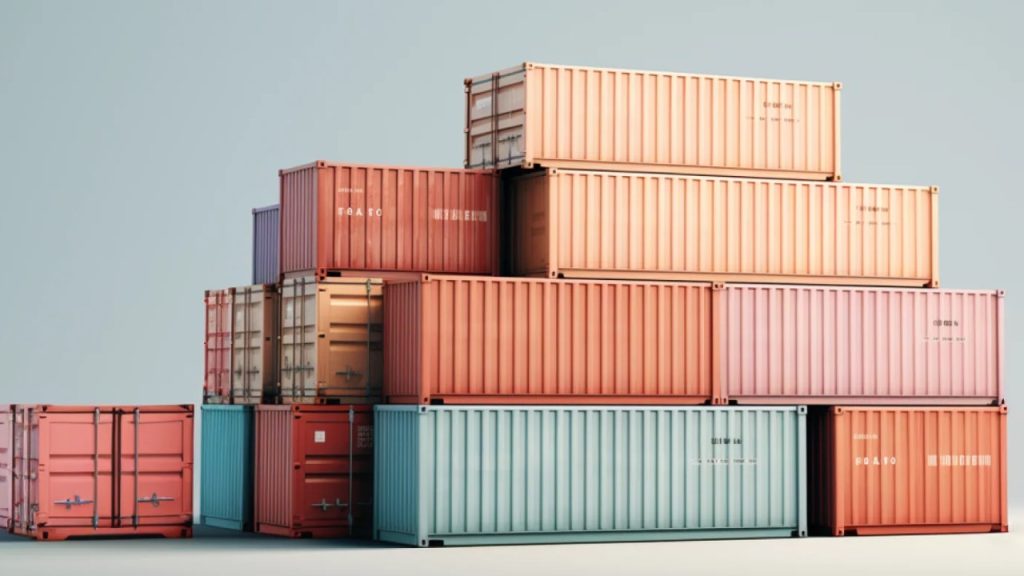
Incoterms are short rule codes for global trade that tell about buyer and seller limits. Anyone involved in import export UAE must know about them, as they set exact cost splits, risk transfer points, and prevent costly port delays.
- Clarify Buyer and Seller Responsibilities: These rules help to know who arranges transport, books cargo space, and handles warehouse loading. This avoids confusion about who must do what.
- Understand Freight and Handling Costs: Incoterms show who pays for local UAE trucking or moving the goods, terminal handling charges, and sea or air freight services in UAE. So, no misunderstandings arise between buyer and seller.
- Know When Shipping Risk Transfers: Incoterms UAE point out the exact location where damage or loss responsibility moves from the seller to the buyer. If items break before that spot, the seller pays for the loss.
- Plan Customs and Import Processes: They state who handles paperwork and clears local customs. This is a must for UAE ports so goods clear inspection quickly without any need to pay extra fines or delays.
- Avoid Unexpected Logistics Costs: These clear shipping terms UAE both parties understand who handles local terminal charges, before choosing an Incoterm, make sure you understand all potential costs, including freight, insurance, customs duties, taxes, and final delivery fees before the cargo even starts its journey.
- Reduce Shipping Disputes: When rules are set, the chance of shipping disputes decreases. If any problem happens during the transit, the contract shows who is at fault without long legal delays
- Improve Supply Chain Planning: Incoterms UAE help companies guess delivery times better. When the logistics teams know who controls each part of the trip, it becomes easier for them to track the cargo.
- Build Stronger Buyer-Seller Relationships: Clear deals increase trust between buyers and sellers. When both parties know their duties and costs, trading is fair and smooth.
What Does EXW (Ex Works) Mean?
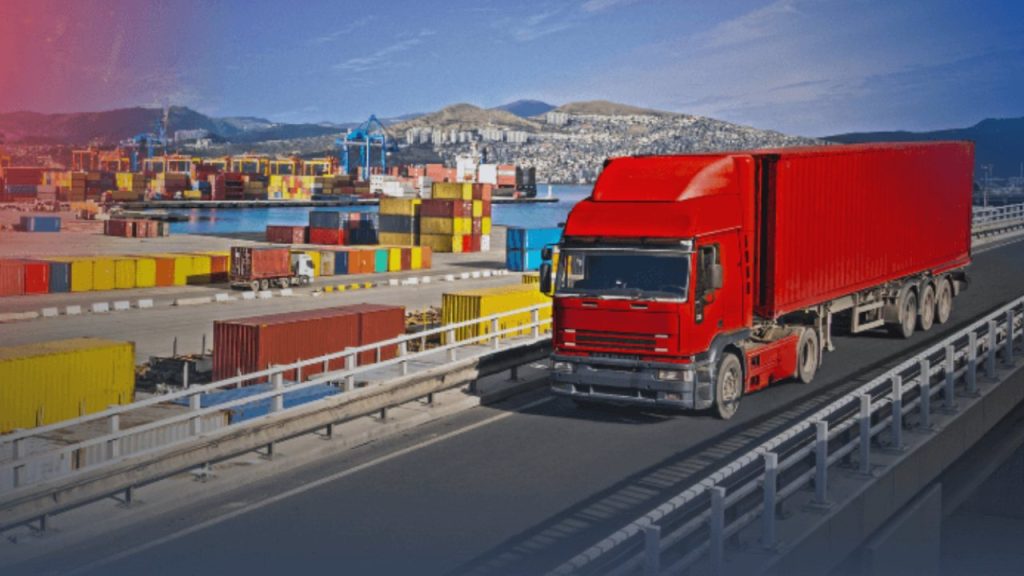
EXW or Ex Works is an international shipping rule where the seller makes goods ready and available at their factory, warehouse, or agreed location. Then, the buyer is responsible for handling all transport, loading, export paperwork, and risks from that exact spot. This is commonly used by experienced importers who work with freight forwarders.
What Buyers and Sellers Handle Under EXW?
Now that you know EXW is among the Incoterms UAE that places the maximum responsibility on the buyer, you should also know what buyers and sellers handle under it:
Seller Responsibilities Under EXW
- Pack and label the goods properly for transport.
- Make the goods ready at the agreed location (factory or warehouse).
- Provide a commercial invoice and basic documents.
- Give help if needed to get export papers, but the buyer pays the cost.
Buyer Responsibilities Under EXW
- Load the goods onto the transport truck at the seller’s site.
- Manage and pay for import export UAE customs clearance.
- Manage export papers, border taxes, and import rules for both countries.
- The buyer must hire a shipping carrier and pay for all travel costs.
- Take all the risks of damage and loss if the products get broken or lost during the trip.
What Does FOB (Free on Board) Mean?
FOB is a shipping agreement that defines who pays and takes risk when goods travel. This simply means it tells the exact point where liability, ownership risk, and costs transfer from the seller to the buyer during the transport of goods. This is one of the most commonly used Incoterms in ocean transport and is used by those providing sea freight shipping services in UAE.
What Buyers and Sellers Handle Under FOB?
Here are the details of what the seller and buyer handle under FOB:
Seller Responsibilities Under FOB
- Seller must pack the goods safely
- The seller takes the goods to the chosen port.
- Clear the goods for export, pay local port fees and export taxes.
- Pay all costs and bear all risks up until the goods board the ship.
Buyer Responsibilities Under FOB
- Bear all risks of damage or loss the moment the cargo is loaded on the ship.
- Pay for sea freight shipping services in UAE for the main ship trip.
- The buyer pays for cargo insurance and unloads goods at the final port.
- Handles import clearance, local taxes, duties, and final delivery.
What Does CIF (Cost, Insurance, Freight) Mean?
Under this shipping rule, the seller pays for the product costs, transport, and minimum insurance to ship the goods to the destination port. The seller also buys insurance for the goods during the main trip. Once the goods are loaded onto the ship, the buyer assumes risk of loss or damage.
What Buyers and Sellers Handle Under CIF?
It is mostly used by businesses that use sea freight shipping services in UAE. Here are the details of what seller and buyer handle under CIF:
Seller Responsibilities Under CIF
- Pays the price to make the products ready and package them safely.
- Books and pays for the ship or transport to move the items from the home country to the destination port.
- The seller pays the charges for loading at the port.
- Buys a basic insurance policy to protect the goods from loss or damage (marine insurance).
- Seller handles all the paperwork, local taxes, and government checks to get products safely out of their home country.
Buyer Responsibilities Under CIF
- The buyer must pay any local taxes, duties, and fees when goods arrive at the port in their own home country.
- Pays to take goods off the ship and move them to their final warehouse.
- Assumes risk if goods are damaged or lost after they are loaded on the vessel at the origin port.
- The buyer pays for port handling and final delivery charges.
EXW vs FOB: 5 Main Differences
| Feature | EXW (Ex Works) | FOB (Free On Board) |
| Where Risk Shifts | At the seller’s factory or warehouse | Once goods are loaded onto the ship |
| Export Customs | Buyer handles it | Seller handles it |
| Loading Costs | Buyer pays and loads | Seller pays and loads |
| Main Transport | Buyer pays for all shipping | Buyer pays for ocean/air freight |
| Best Used For | Domestic or expert buyers with local agents | Standard international ocean shipping |
What Does DDP (Delivery Duty Paid) Mean?
DDP is an international trade rule where the seller takes full responsibility for shipping the goods, paying all taxes, customs clearance, and delivering the items directly to the buyer’s location with no extra fees. If the seller needs expert support for the customs clearance process, it pays for customs clearance services in UAE
What Buyers and Sellers Handle Under DDP?
Among all the Incoterms UAE we are discussing in this blog, DDP is the simplest option for buyers. Here are the details of what the seller and buyer handle under this term:
Seller Responsibilities Under DDP
- Pays for packing the items safely and loading them onto trucks or ships.
- Pays for main transport, sea or air freight shipping costs in UAE, and local delivery.
- Pays for all export and import customs clearance paperwork.
- Deals with official government rules in both the shipping and the receiving destination country.
- Pays all local import duties, tariffs, and taxes like VAT or GST required by the buyer’s home nation.
- Carries all the risks of damage or loss during the entire transit journey (until final arrival at the agreed destination).
Buyer Responsibilities Under DDP
- Paying for the goods based on the sales contract.
- Unloading the goods when the delivery truck or carrier arrives at their facility.
- Providing documents or information if the seller needs help with local customs clearance.
- Inspect the delivered items upon arrival to report any defects quickly.
- The buyer simply waits for the shipment to arrive at their location.
Which Incoterm to Use When Shipping to or from UAE?
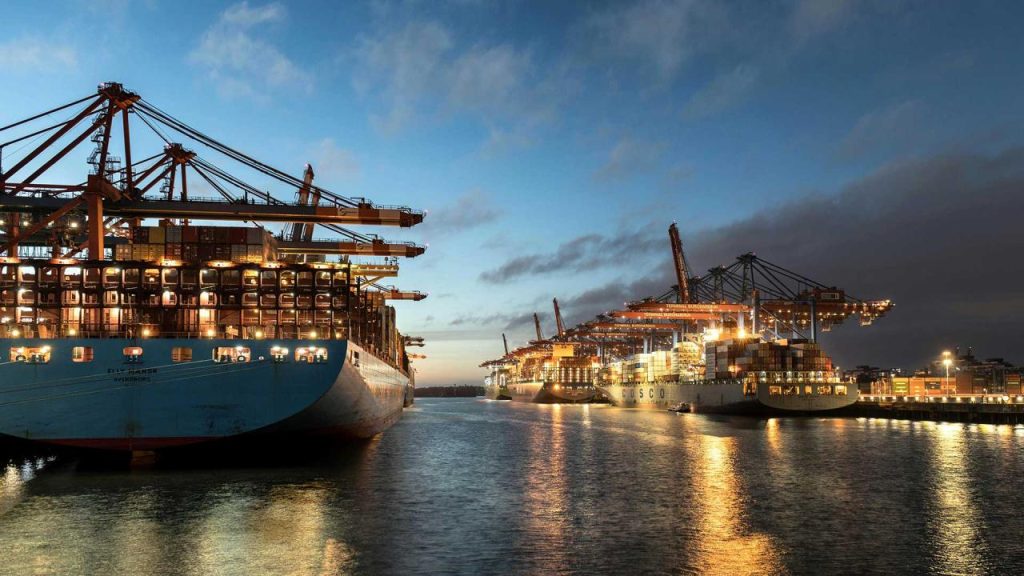
When shipping to or from the UAE, choose your Incoterm based on who handles shipping risks and costs. FOB works for sea freight starting at port; DDP places all duties on the seller. You can work with a trusted partner, like Bright Way Logistic Services LLC, to make the right choice and avoid costly fines and delays.
1. When Should You Use EXW
- When comparing EXW vs FOB, choose the first one if you have a trusted logistics partner in the origin country.
- When the buyer wants total control over the cargo, meaning the buyer pays all transport and handles local customs.
- If you are buying from a supplier with a warehouse near a major UAE port or provide access to warehousing services in UAE and can manage export yourself.
- You must avoid choosing this term if you don’t have local expertise, as you carry all risks from the agreed location.
2. When Should You Use FOB
- If you are using sea freight shipping services in UAE to move goods.
- The seller handles local trucking, export customs, and cargo loading in their country.
- If you want the buyer to pay for the main sea freight and their import paperwork.
- Buyers want more control over ocean freight than the seller.
3. When Should You Use CIF
- You want the seller to book the main sea transport and basic cargo insurance.
- You are testing a new supplier and prefer they manage origin and transit logistics.
- You only want to handle local port unloading, import clearance, and final trucking.
4. When Should You Use DDP
- When you want to give the buyer the easiest service possible by paying all taxes, customer fees, and delivery costs to their final destination.
- When comparing CIF vs DDP, you must choose DDP if you sell high-value items and know UAE and global customs rules very well.
- You don’t have an import license or local customs broker and need the vendor to do it all.
- Confirm that the seller is registered to clear customs in the destination country.
CIF vs DDP: 5 Main Differences
| Feature | CIF (Cost, Insurance, and Freight) | DDP (Delivered Duty Paid) |
| Main Rule | The seller pays shipping and basic insurance to the destination port. | Seller pays everything until goods arrive at the buyer’s location. |
| Where Risk Moves | Risk moves to the buyer once goods are loaded on the ship. | Risk moves to the buyer only when delivered to the final place. |
| Import Customs | The buyer clears customs and pays local fees. | Seller clears customs and pays all fees. |
| Import Duties & Taxes | Paid by the buyer. | Paid by the seller. |
| Best For | Importers who want local control and have a customs broker. | Beginners or buyers who want a simple, door-to-door process. |
EXW vs FOB vs CIF vs DDP: Key Differences Among Them
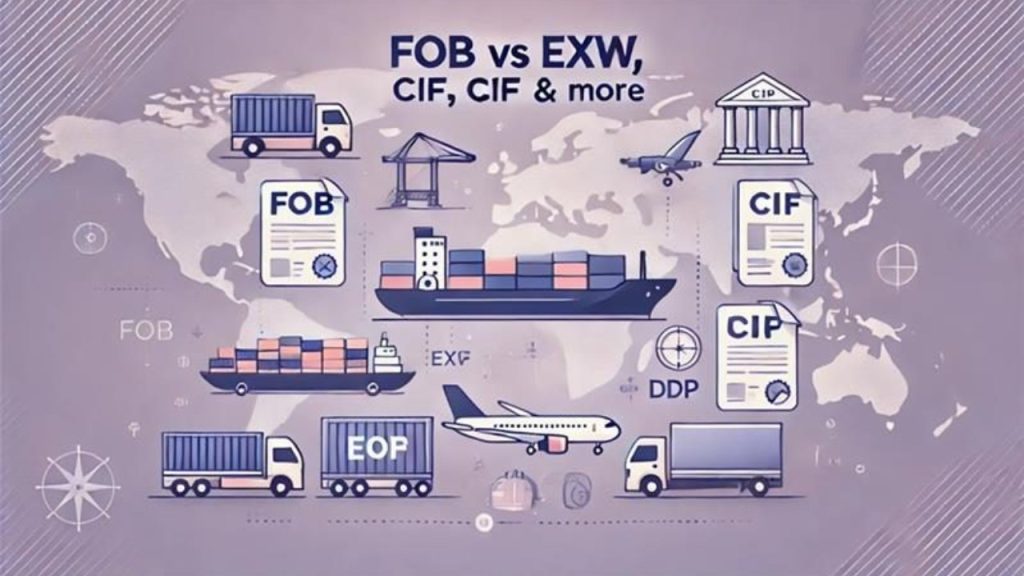
Brightway Shipping And Logistics helps businesses assess their shipping requirements and choose the right logistics arrangements.
| Shipping Factor | EXW | FOB | CIF | DDP |
| Export Clearance | Buyer | Seller | Seller | Seller |
| Ocean Freight | Buyer | Buyer | Seller | Seller |
| Cargo Insurance | Buyer | Buyer, if required | Seller provides basic cover | As agreed |
| Import Clearance | Buyer | Buyer | Buyer | Seller |
| Import Duties & Taxes | Buyer | Buyer | Buyer | Seller |
| Final Delivery | Buyer | Buyer | Buyer | Seller |
| Buyer Control | Very High | High | Moderate | Low |
| Seller Responsibility | Low | Moderate | High | Very High |
| Suitable For | Buyers with strong logistics capabilities | Experienced importers | Buyers wanting seller-arranged freight | Buyers wanting door-to-door delivery |
Key Mistakes to Avoid When Choosing Incoterms UAE
Choosing the wrong UAE shipping requirements can result in unexpected costs and delays. You must avoid the following common mistakes when choosing an incoterm:
- Choosing Without Understanding Responsibilities: When choosing Incoterms UAE, you should know your exact duties. Always check who pays for the transport and cargo insurance and understand your job before signing any contract.
- Comparing Only the Quoted Shipping Price: Choosing shipping terms in the UAE just because the base price is the lowest is wrong. You must confirm hidden charges, like port and delivery handling fees.
- Ignoring Customs and Clearance Responsibilities: You must not ignore who handles government rules and import paperwork at the border. You can consider hiring a trusted provider of customer clearance services in UAE who clears the items through local customs safely.
- Not Considering the Transport Mode: If you are using a shipping rule meant for ships but book land freight services in UAE for delivery can cause huge problems. Some rules only work for sea transport, so choose the option that fits your delivery path.
- Overlooking Warehousing & Destination Costs: If you need warehousing services in UAE or at the end point, you must always plan for these costs to avoid any issues later.
- Not Considering Other Requirements: You also need extra logistics support, like LTL services to Saudi from the UAE, domestic transport at the destination country, or others. So, consider all this before choosing an Incoterm.
Simplify Your UAE Shipping with Brightway Logistics

Choosing the right Incoterm for your UAE shipments depends on your budget, control needs, and customs experience. Choosing the right shipping rule is a must for anyone involved in domestic and international trade in the country. When comparing these four major Incoterms UAE, we understood EXW and FOB work best if you want full control over your cargo and local costs.
However, if you are a buyer and prefer a simpler process, CIF or DDP are safer options. Make sure you review your shipping goals, talk with your supplier, and choose the right term. Connect with Bright Way Logistic Services LLC to get expert support to deal with these shipping rules. Our logistics team will help you choose the best Incoterm for your cargo and help you avoid unnecessary fees.
Choosing Brightway Shipping and Logistics solutions means securing the best and safest way to move your goods to and from the UAE.