
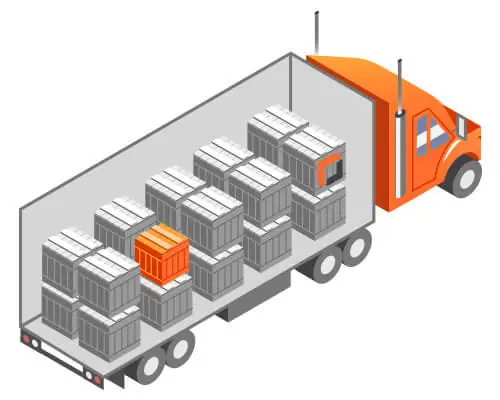
LTL (Less Than Truckload) logistics refers to shipping smaller freight that doesn’t require a full truck. In LTL logistics, multiple shipments from different customers are combined into one truck, helping reduce costs while maintaining efficient delivery. An LTL shipment is ideal for businesses that have moderate cargo volumes, as it allows them to pay only for the space they use. With LTL delivery, goods are transported through a shared network, ensuring flexibility, affordability, and reliable transit times.



Key Features of LTL Shipping
1. Partial Loads
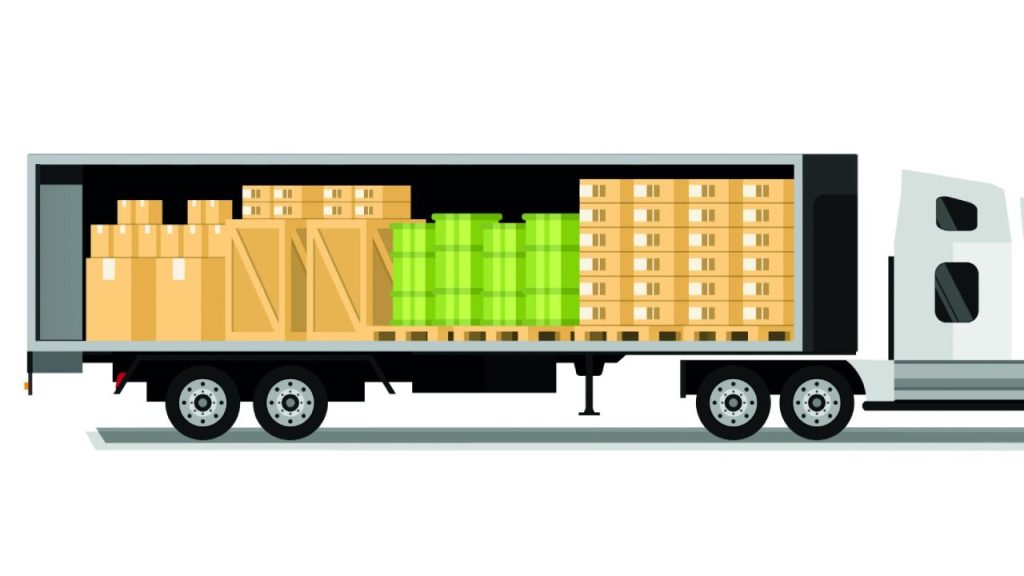
Instead of hiring an entire truck, multiple smaller shipments from different customers are combined into one truckload.
2. Cost Efficiency
You pay only for the portion of the truck space your freight occupies, making it more economical for smaller shipments.
3. Frequent Shipments
LTL is ideal for businesses that don’t need to move large volumes at once but require regular shipping.
How LTL Shipping Works
Consolidation: Freight from several customers is combined at a terminal.
Routing: The combined shipments are transported together, often making multiple stops along the way.
Deconsolidation: At the destination terminal, shipments are sorted and delivered to their respective final destinations.
Benefits of LTL Shipping
Cost Savings: Sharing transportation costs with others can significantly reduce your shipping expenses.
Reduced Environmental Impact: Fewer trucks on the road lead to lower emissions, thanks to shipment consolidation.
Flexibility: This method works well for shipments of varying sizes and frequencies, enabling businesses to scale their logistics needs without committing to full truckload (FTL) shipments.
Considerations for LTL Shipping
While LTL shipping offers many benefits, it also has a few considerations:
Longer Transit Times: Due to multiple stops and transfers, delivery times may be longer compared to direct FTL shipments.
Handling and Damage Risks: Increased handling during transfers raises the potential for damage compared to single-shipment FTL shipping.
Differences Between LTL and FTL Shipping
1. Load Size and Composition
LTL: Involves consolidating shipments from multiple customers. Ideal for smaller shipments that don’t require an entire truck.
FTL: Dedicates the entire truck to a single shipment. Best for larger shipments that fill or nearly fill the truck.
2. Cost Structure
LTL: You pay based on the space or weight your shipment occupies. While cost-effective for smaller loads, additional fees may apply for handling or multiple stops.
FTL: You pay for the entire truck, whether it’s fully utilized or not. This can be more economical for large shipments.
3. Transit Time and Handling
LTL: May involve multiple stops and handling at terminals, leading to slightly longer transit times and higher handling risks.
FTL: Offers a direct route from shipper to consignee, ensuring faster delivery and reduced risk of damage.
4. Flexibility and Frequency
LTL: Perfect for frequent, smaller shipments. Businesses can ship as needed without waiting to fill an entire truck.
FTL: Best for bulk shipments or time-critical deliveries. However, it may require waiting to accumulate enough goods for a full truckload.
5. Environmental Impact
LTL: Consolidating shipments reduces the number of trucks on the road, making it more environmentally friendly.
FTL: While efficient for full loads, it can lead to higher emissions if the truck isn’t fully utilized.
Conclusion
LTL shipping is an excellent option for businesses that prioritize cost efficiency, flexibility, and environmental sustainability for smaller, more frequent shipments. On the other hand, FTL is ideal for large, time-sensitive shipments requiring direct transportation.