
Freight management has evolved significantly, thanks to advanced technologies like Artificial Intelligence (AI), the Internet of Things (IoT), and blockchain. These innovations are revolutionizing the way goods are transported, stored, and tracked — turning freight from a largely manual, paperwork-heavy process into a connected, data-driven system.



AI: From Route Optimization to Full Decision Support
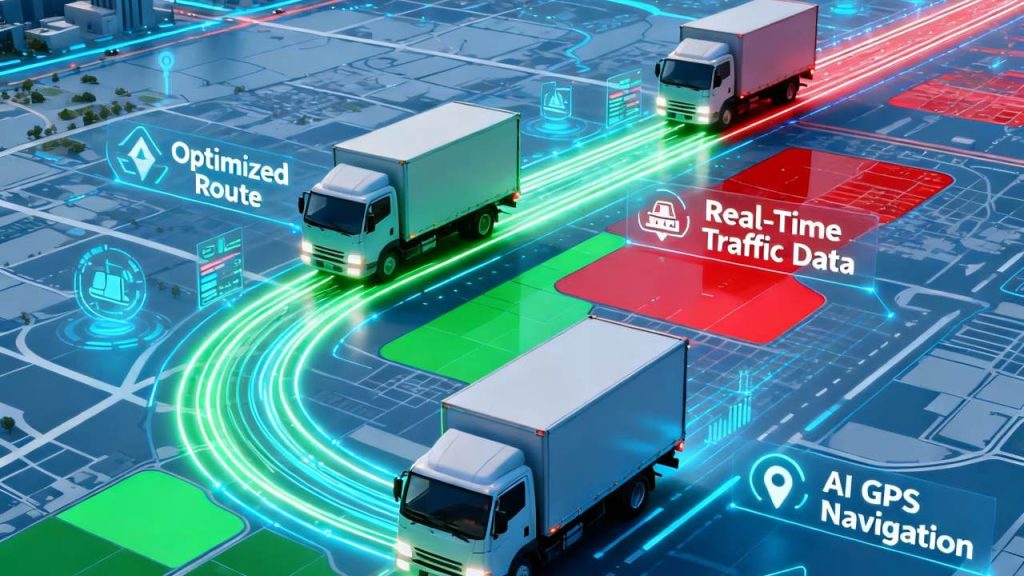
AI-driven algorithms help optimize freight routes, predicting traffic and weather conditions to ensure timely deliveries. What’s changed recently is the scope of what AI touches. It’s no longer limited to routing — modern freight platforms now use AI for demand forecasting (reading historical shipment volumes and seasonal patterns to predict capacity needs weeks ahead), automated document processing (extracting data from bills of lading, invoices, and customs declarations to cut manual entry dramatically), and disruption risk prediction. Forwarders running AI-assisted operations have reported meaningful reductions in transit and fuel-related costs as a result of dynamic load planning and real-time rerouting around delays.
IoT: Real-Time Visibility That Clients Can See

IoT devices provide real-time tracking, offering transparency to clients and reducing the risk of theft or damage. GPS trackers, RFID tags, and smart sensors now report continuously on shipment location, temperature, humidity, and vehicle condition — letting fleet managers catch a mechanical issue or a temperature excursion before it becomes a claim. This same sensor data feeds warehouse operations too: smart shelving and RFID tagging keep stock counts accurate in real time, reducing stockouts and improving replenishment accuracy.
Blockchain: Trust Without a Middleman

Blockchain ensures secure and tamper-proof data sharing across the supply chain, fostering trust among stakeholders. A single refrigerated shipment can pass through dozens of parties and hundreds of handoffs between origin and destination — every one of them a point where documentation can be altered, lost, or disputed. Blockchain’s appeal in freight is that it creates a shared, unchangeable record across all of those handoffs, which is why it’s increasingly used for customs documentation, proof of origin, and chain-of-custody records rather than just as a buzzword.
Where the Competition Is Headed
The shift isn’t theoretical — it’s reshaping how forwarders compete. A modern, cloud-based transportation management system (TMS) is becoming the baseline expectation rather than a differentiator, since it’s the platform that connects AI document processing, live visibility, and carrier integrations into one workflow. Major carriers like DHL and Maersk already lean on IoT to monitor cargo condition and enforce safety compliance, and forwarders without comparable real-time tracking are increasingly at a disadvantage when bidding for enterprise accounts that now treat live visibility as a contract requirement, not a nice-to-have.
Freight management systems (FMS) are becoming more sophisticated as a result, automating tasks like invoicing, shipment tracking, and route optimization. This level of efficiency reduces operational costs while enhancing customer satisfaction — and it’s quickly becoming table stakes rather than a competitive edge.
What This Means for Shippers — and for Brightway Logistics
The future of freight management lies in adopting these technologies to stay competitive and agile in a rapidly evolving industry. Companies that fail to embrace digital transformation risk falling behind on cost, speed, and the visibility clients now expect by default.

Brightway Logistics builds exactly this kind of technology-backed reliability into its day-to-day operations across the UAE and GCC. Real-time tracking and documentation discipline run through our customs clearance process, our warehousing operations use inventory visibility to keep stock accurate and replenishment on schedule, and our third-party logistics (3PL) solutions are built to plug straight into a client’s existing systems rather than forcing a workaround. Whether a shipment moves by land, sea, or air, the goal is the same one driving the technology shift industry-wide: full visibility, fewer surprises, and freight that moves on schedule.
Also Read:
leading freight and logistics provider in UAE
Third-party logistics company UAE | 3PL services in Dubai
CICPA pass trucks UAE | PDO trucks and site access logistics
Household goods shipping Dubai | Personal cargo moving services UAE