
In the heart of the Middle East, Saudi Arabia is quickly changing into an international logistics powerhouse. As part of Vision 2030, the Kingdom has invested billions in its infrastructure, making land freight one of the most effective ways to move goods in the Arabian Peninsula and the broader GCC region. Whether you are a businessman importing electronics from Dubai or a local manufacturer sending construction products to Riyadh, comprehending the how-to of land freight is crucial.



Key Land Freight Routes in Saudi Arabia
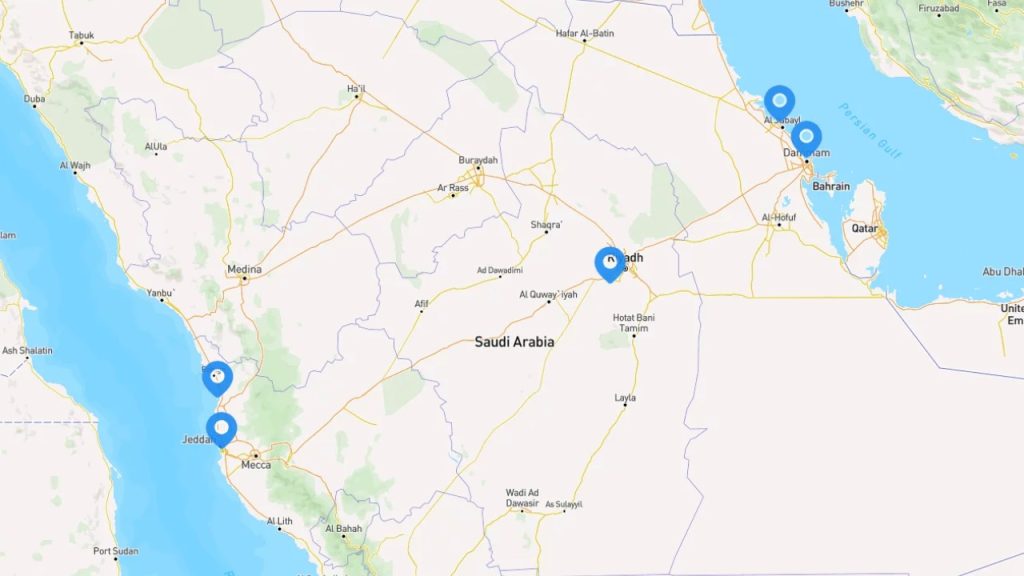
Saudi Arabia’s road network is a marvel of advanced engineering, linking prime industrial hubs, ports, and global borders.
1. The East-West Corridor – This is the busiest route in the Kingdom. It links Dammam to Jeddah through the capital city, Riyadh. It is the main artery for moving cargo from the eastern oil sectors to the western commercial hubs.
2. The North-South Connection – The North-South Line and related highways link Riyadh to the Jordanian border at Hadithah. This is a crucial route for trade with the Levant and Turkey.
3. The GCC Gateway – For goods coming from the UAE or Oman, the Batha border crossing is the primary entry point. Highway 10, which links this border to the interior, is popularly known as the world’s longest straight road (256 km).
4. The Southern Routes – Linking to Yemen and the southwestern agricultural regions through Highway 15 and Highway 5.
The Cost of Land Freight

Land freight expenses are typically higher than sea freight but remarkably lower than air freight. In Saudi Arabia, expenses are influenced by a number of real-world aspects –
1. Truck Type – A common flatbed is more affordable than a Reefer, which is utilized for food or medicine.
2. Fuel and Tolls – While fuel is relatively cost-effective in KSA, long distances mean fuel surcharges are a common part of your quote.
3. Customs Fees – As of late 2024, Saudi Arabia updated its cost structure. For imports, the customs service cost is now roughly 0.15% of the goods’ value, while export service costs have been hugely waived to inspire local trade.
4. LTL vs. FTL – FTL, you pay for the entire truck. Best for big, urgent shipments. LTL, you share the area with other shippers. Affordable, but takes longer as the truck makes several stops.
Permits and Compliance – The Must-Knows

In Saudi Arabia, the logistics landscape is constructed on a Compliance First model. This is the phase where most companies experience delays, but with a clear knowledge of the digital ecosystem, you can handle it seamlessly. The Kingdom has moved away from paper-based systems toward extremely integrated electronic platforms that connect customs, standards, and tax authorities.
1. The SABER System – Your Digital Gateway
SABER is the compulsory online portal handled by the Saudi Standards, Metrology, and Quality Organization. Consider it as a technical filter that makes sure every product entering the nation fulfills stringent protection and quality norms. You can’t clear a single box through customs without a SABER-issued certificate.
- Product Certificate of Conformity – This is your long-term approval. It verifies that a particular product model adheres to Saudi Technical rules. Once granted by an accredited body, it is typically legal for one year.
- Shipment Certificate of Conformity – This is a per-shipment document. Every time you send a truck across the border, you should pull an SCoC from the SABER system. It verifies that the particular batch of goods being moved today is covered by a legal PCoC.
2. ZATCA (Zakat, Tax, and Customs Authority)
ZATCA is the governing body that handles the Kingdom’s boundaries and collects duties. To pass through their checkpoints, your paperwork should be accurate. As of 2026, ZATCA has integrated its systems with Fatoora, meaning your technical tax records should match your physical cargo.
To pass ZATCA verification, you have to deliver –
- Commercial Invoice – This should include the 12-digit HS code. Saudi Arabia utilizes a 12-digit version, which is more thorough than the common 6-digit international code.
- Detailed Packing List – A granular breakdown of every product, including weights and dimensions.
- Certificate of Origin – A legal document proving where the goods were manufactured.
- Fasah Platform Declaration – Fasah is the Single Window for Saudi trade. Importers or their brokers should present their customs declaration here at least 48 hours before the truck arrives at the boundary. This permits ZATCA to pre-clear the goods, usually decreasing boundary wait times to under 24 hours.
Common Pitfalls to Avoid
Even the most seasoned shippers can get caught by small technicalities. Sidestepping these typical mistakes will save you thousands of Riyals in storage costs and penalties.
1. Language and Translation Barriers
While English is broadly utilized in international trade, Arabic is the official language of Saudi Customs.
- The Mistake – Delivering invoices only in English.
- The Fix – Utilize bilingual invoices. All product labels, particularly for food, toys, and electronics, should have Arabic instructions and protection warnings. If a ZATCA officer can’t read your labels, they may reject the whole shipment.
2. Incorrect HS Codes
The HS Code tells the customs officer precisely what is inside the truck and how much tax to charge.
- The Mistake – Utilizing a generic code to save time or a lower-tax code to save money.
- The Fix – Examine your 12-digit code utilizing the official ZATCA Integrated Tariff tool. Mislabeling plastic furniture as office supplies can be flagged as customs smuggling, resulting in hefty penalties and blacklisting.
3. Ignoring SFDA Rules (Food & Health)
If your cargo includes anything that is eaten, put on the skin, or utilized for health, it falls under the Saudi Food and Drug Authority.
- The Mistake – Assuming a SASO certificate is sufficient for cosmetics or vitamins.
- The Fix – These items demand separate registration on the e-Cosma or Ghad platforms. You should also deliver a Halal Certificate for meat items and sustain particularly temperature logs for refrigerated goods throughout the journey.
Conclusion
As long as you abide by the legal and regulatory requirements, land freight in Saudi Arabia is a dependable and quick way to expand your company. You can easily transport goods throughout the Kingdom if you make sure your SABER certifications are up to date and use the Fasah platform properly.