
Reverse logistics ensures smooth product returns, repairs, and recycling, improving customer satisfaction and sustainability. It is a key part of the reverse supply chain, helping businesses manage returns efficiently. The reverse logistics process includes handling returns, repairs, and recycling, with strong demand in reverse logistics in e-commerce.
Common reverse logistics examples show how companies streamline return management logistics for better efficiency. Brightway Logistic offers reliable solutions to optimize reverse logistics operations.



Reverse Logistics: Turning Returns into Opportunities
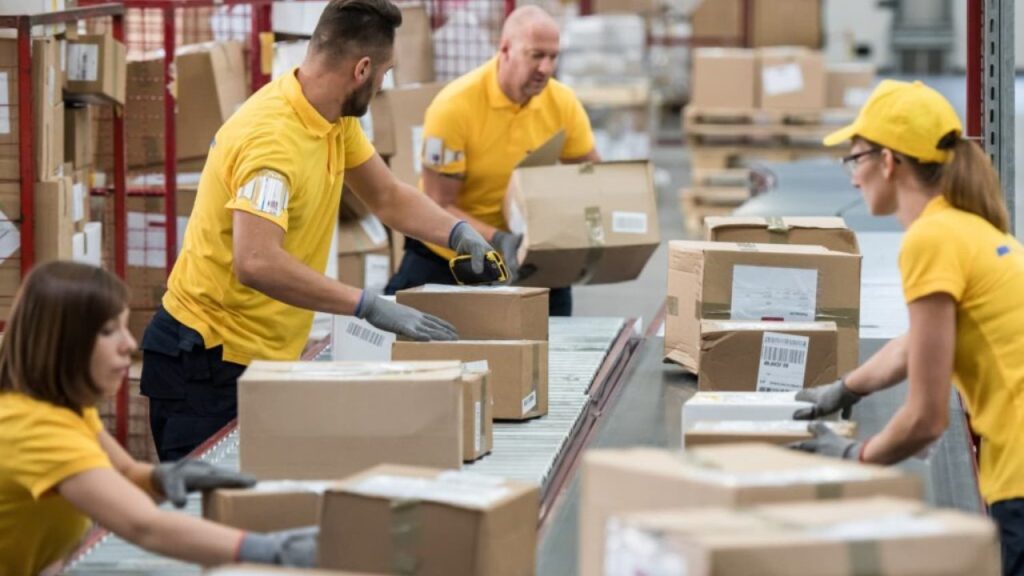
A well-managed reverse logistics system helps businesses reduce costs and improve inventory recovery. Through an efficient reverse logistics process, companies can resell returned products, refurbish them, or recycle materials—minimizing losses and maximizing value.
Why Return Management Logistics Matters More Than Ever
Customer experience plays a crucial role in return management logistics. A seamless return process with easy tracking, quick approvals, and fast refunds builds customer trust and strengthens brand loyalty, especially in reverse logistics in e-commerce, where returns are frequent.
Smart Reverse Logistics Process with Modern Technology
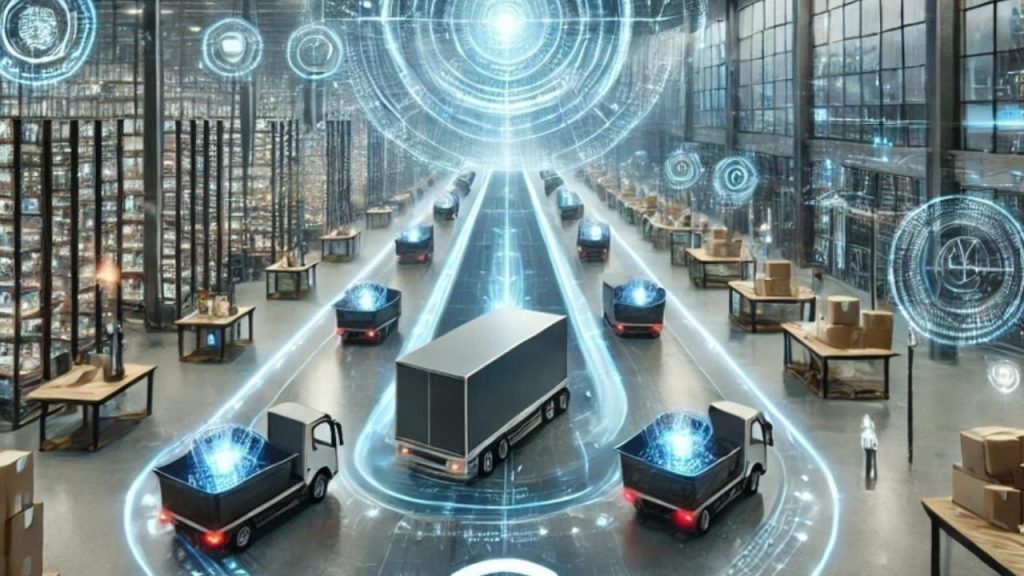
Technology is transforming the reverse supply chain. Automated return portals, real-time tracking, and AI-based defect detection are powerful reverse logistics examples that streamline operations, reduce errors, and improve efficiency.
Sustainable Reverse Supply Chain for a Greener Future
Sustainability is becoming a key focus in reverse logistics. Businesses are adopting eco-friendly disposal methods, recycling programs, and reusable packaging to reduce environmental impact while maintaining efficiency.
Optimizing Transportation in Reverse Logistics
Efficient route planning is essential in the reverse logistics process. Optimizing transportation reduces fuel costs, lowers emissions, and ensures smooth operations without disrupting the supply chain.
How Reverse Logistics Works in the UAE: Key Challenges & Solutions
Reverse logistics in the UAE comes with unique challenges that businesses often underestimate. Return processes in the UAE can be complex, often involving multiple stakeholders and varying policies across retailers — with an estimated 30% of returned products not being processed efficiently, leading to delays, increased costs, and frustrated customers. Add to this the UAE’s rapid e-commerce growth, cross-border return complications, and the absence of standardized return policies across platforms, and it becomes clear why so many businesses struggle to manage returns profitably.
Furthermore, the UAE reverse logistics market faces challenges including high operational costs and lack of standardization across processes. In addition, limited infrastructure in remote areas and regulatory compliance issues make the situation even more difficult for businesses trying to build an efficient returns system. As a result, many companies end up losing money on returns that could have been recovered or resold with the right process in place.
The good news is that these challenges have practical solutions. Businesses can start by setting a clear Return Policy Process (RPP) — a visible, consistent policy that both customers and employees follow at every stage. Partnering with a reliable 3PL provider is another major step, as it removes the burden of managing returns in-house and gives businesses access to dedicated returns processing centers, inspection teams, and restocking systems.
By 2026, the UAE is witnessing significant investment in micro-fulfilment centres, automated warehouses, and reverse logistics systems — meaning businesses that act now will be better positioned to handle growing return volumes efficiently and at lower cost.
Types of Reverse Logistics: Which Model Fits Your Business?
Not all reverse logistics is the same. There are several distinct types, and understanding which one applies to your business helps you build the right process from the start. Customer returns are the most common — a customer sends back a product that is defective, wrong, or simply unwanted. Commercial returns happen when distribution partners return unsold inventory back to the manufacturer or seller.
Remanufacturing and refurbishment involves repairing returned items to restore functionality and resell them — common in electronics, automotive parts, and industrial equipment. Recycling and end-of-life disposal covers products that cannot be resold and need to be broken down responsibly. Rapid growth in electric vehicles is also increasing demand for battery reverse logistics, including collection, recycling, and safe disposal, with specialized infrastructure emerging across the region to address compliance and material recovery.
Choosing the right model depends on your industry, product type, and return volumes. For e-commerce retailers in the UAE, customer returns and restocking are the priority. For manufacturers and industrial businesses, remanufacturing and asset recovery often deliver the highest value. Countries like the UAE are witnessing rising return volumes particularly from fashion, consumer electronics, and automotive sectors — all three requiring very different reverse logistics approaches.
A 3PL partner with experience across multiple return types can help businesses design a model that fits their specific needs without building expensive infrastructure from scratch.
Reverse Logistics Cost: How Much Does It Really Cost Businesses in UAE?
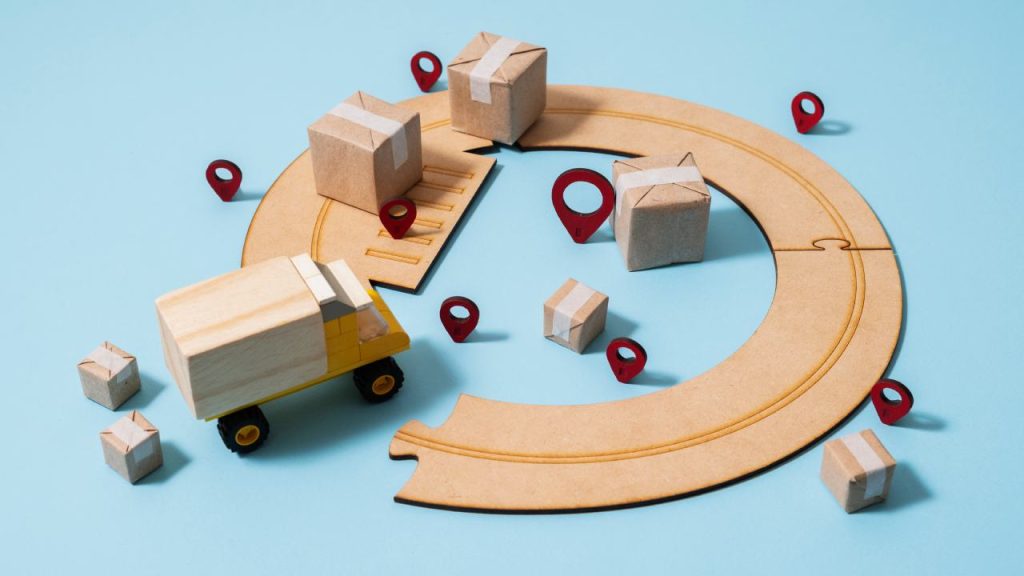
Reverse logistics is one of the most expensive hidden costs in a supply chain, and many businesses in the UAE only realize this after returns start piling up. The cost of processing a single return can reach up to 66% of the original item’s price — covering transportation back to the warehouse, inspection, sorting, restocking or disposal, and customer refund processing.
When you multiply this across hundreds or thousands of monthly returns, the financial impact on a business becomes significant. High operational costs for transportation and processing of returns remain one of the key challenges limiting efficient reverse logistics adoption, especially for small and mid-sized businesses that lack dedicated returns infrastructure.
However, the cost of doing reverse logistics badly is even higher. 67% of customers say they would not shop with a retailer again after a negative return experience, meaning poor returns management directly damages repeat revenue. The most cost-effective approach for UAE businesses is to invest in three areas: automation to speed up processing, clear disposition rules to avoid holding returned stock for too long, and a 3PL partnership to consolidate return shipments and reduce per-unit transportation costs.
When managed well, reverse logistics shifts from being a cost centre to a value recovery system — with refurbished goods, resold inventory, and recycled materials all contributing back to the bottom line.
Brightway Logistics – Your Partner in Reverse Logistics Solutions

Brightway Logistics provides reliable and hassle-free reverse logistics solutions, helping businesses manage returns, repairs, and recycling efficiently while improving customer satisfaction and operational performance.