
Warehouse automation is transforming the logistics industry by making operations faster, smarter, and more efficient. With the rapid growth of e-commerce and global trade, logistics companies are adopting automated technologies to handle large volumes of inventory while reducing operational costs and human errors.
Automation in warehouses is no longer limited to large multinational companies. Today, even mid-sized logistics providers are investing in automated systems to stay competitive and meet customer expectations for faster deliveries.



Why Warehouse Automation is Becoming Essential
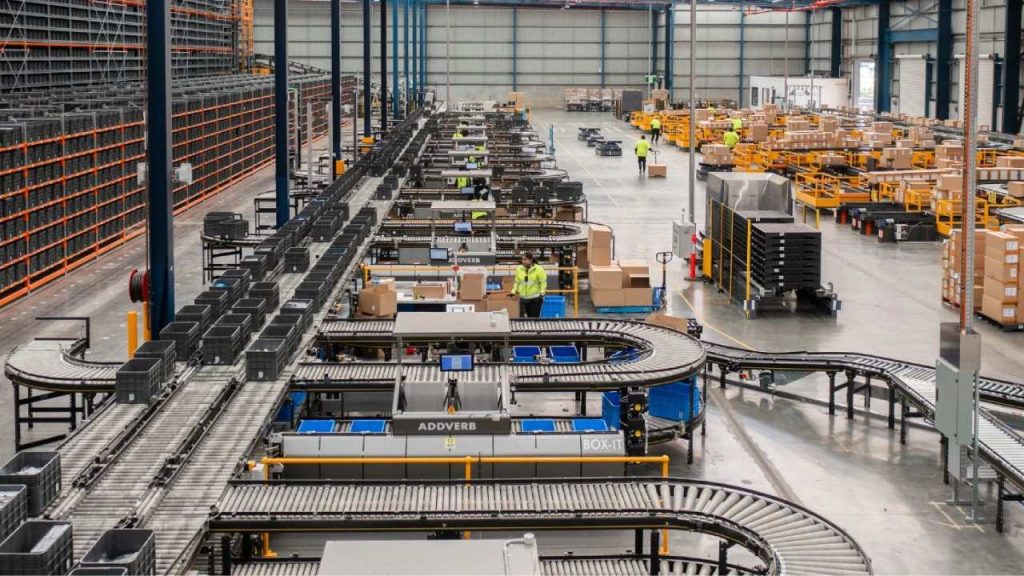
Modern supply chains demand speed, accuracy, and real-time tracking. Manual processes often struggle to keep up with these requirements.
Key reasons companies are adopting automation include:
- Faster order processing and fulfillment
- Reduced human errors in inventory handling
- Lower operational and labor costs
- Improved workplace safety
- Better inventory visibility and control
These benefits help logistics providers deliver goods more efficiently while maintaining high service quality.
Key Technologies Used in Automated Warehouses
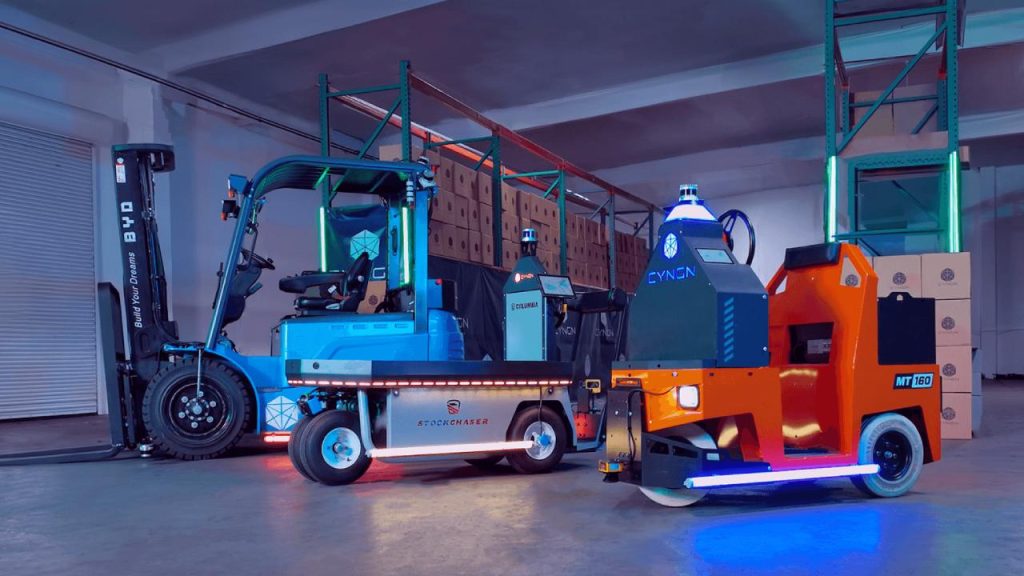
Several technologies are driving the automation revolution in logistics warehouses.
1. Automated Storage and Retrieval Systems (AS/RS)
Automated storage systems use robotic mechanisms to store and retrieve goods quickly and accurately. These systems maximize warehouse space and reduce the need for manual labor.
2. Autonomous Mobile Robots (AMRs)
Autonomous robots move inventory across the warehouse floor, assisting with picking, sorting, and transporting goods. This reduces physical strain on workers and improves operational speed.
3. Artificial Intelligence and Machine Learning
AI-powered warehouse management systems analyze data patterns, forecast demand, and optimize inventory levels. This helps companies maintain efficient stock levels and avoid overstocking or shortages.
4. Smart Conveyor and Sorting Systems
Automated conveyors and sorting machines move products through different stages of processing quickly and efficiently. These systems are particularly useful in high-volume distribution centers.
Benefits of Warehouse Automation
| Benefit | How It Helps Logistics |
|---|---|
| Faster Order Fulfillment | Automated picking and packing reduce processing time |
| Higher Accuracy | Minimizes human errors in inventory management |
| Lower Operational Costs | Reduces dependency on manual labor |
| Better Inventory Tracking | Real-time monitoring of stock levels |
| Improved Workplace Safety | Robots handle heavy or repetitive tasks |
Impact of E-Commerce on Warehouse Automation
The growth of online shopping has significantly increased the demand for faster deliveries. Customers now expect same-day or next-day shipping, which requires highly efficient warehouse operations.
Automated systems allow logistics companies to process thousands of orders quickly while maintaining accuracy. Smart sorting systems, robotic packing stations, and automated inventory tracking ensure that orders are prepared and dispatched without delays.
Sustainability in Automated Warehouses
Sustainability is becoming a key priority in modern logistics operations. Automated warehouses are adopting eco-friendly technologies to reduce environmental impact.
Examples include:
- Energy-efficient robotic systems
- Smart lighting that adjusts based on activity
- Optimized packaging to reduce material waste
- Efficient route planning for reduced fuel consumption
These solutions help companies lower their carbon footprint while improving operational efficiency.
The Future of Warehouse Automation
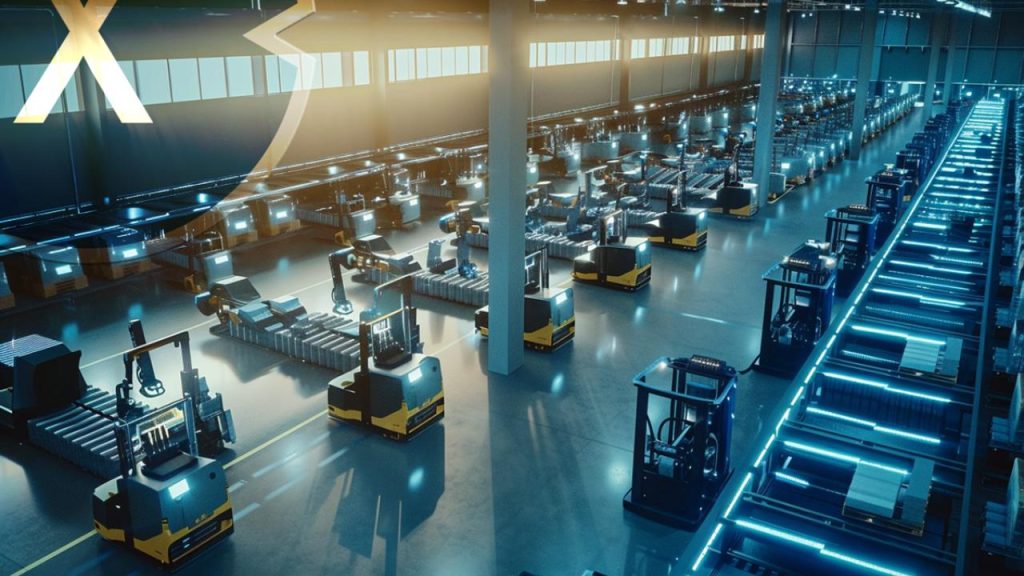
As technology continues to evolve, warehouse automation will become even more advanced. Integration of IoT sensors, predictive analytics, and intelligent robotics will enable warehouses to operate with greater precision and flexibility.
Logistics companies that invest in automation today will be better prepared to handle future supply chain challenges, improve customer satisfaction, and stay competitive in the global market.
Related Topic:
LTL Services to Bahrain from UAE: Affordable Cross-Border Freight
Warehousing Services in UAE: Types, Cost & Storage Solutions