
Moving goods from the vibrant trade hub of Dubai to the different markets across Europe depends on trusted sea freight shipping. It is the most economical way to transport big volumes, but finding out the final charge can sound like a complex puzzle with several moving pieces. Let’s understand the crucial components that make up your sea freight shipping costs from the United Arab Emirates to Europe.



The Most Crucial Choice – FCL vs. LCL
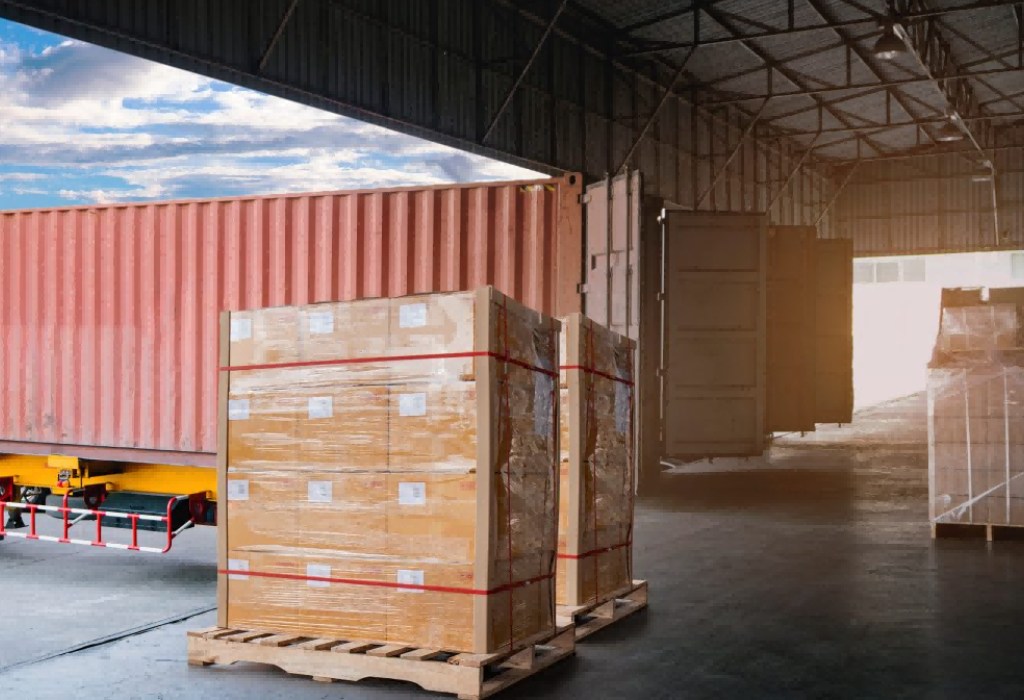
The first and biggest aspect determining your charge is the size of your shipment. You have two major choices –
- Full Container Load –
- What it is – You rent a whole container exclusively for your shipment.
- How the cost is calculated – The cost is a single, flat cost for the container itself, no matter whether you fill it thoroughly. The price depends on the container size and the particular port in Europe.
- Best For – Big volumes of goods, time-sensitive shipments.
- Less Than Container Load –
- What it is – Your cargo is grouped with other small shipments from various clients into one shared container.
- How the cost is calculated – The cost depends on the volume or the weight, whichever is higher. You only pay for the precise area your goods occupy. This is usually quoted as a rate per CBM.
- Best for – Smaller shipments that don’t fill a whole container. It saves you money but usually adds a week or two to the transit time because of the additional handling and consolidation needed by the sea freight logistics provider.
The Core Rate – Ocean Freight

This is the cost the shipping line charges to hold the container from the departure port to the destination port in Europe.
- Distance and Route – The distance from Dubai to, say, Germany is remarkable, but the route also matters. International events, such as the situation in the Red Sea, can force ships to take longer routes, dramatically enhancing the foundation sea freight rate.
- Port Popularity – Shipment to prime European centers is usually more reasonable than shipping to smaller, less-frequented ports.
- Market Volatility – Unlike prices, the base ocean freight rate is extremely volatile. It can charge regularly or weekly, depending on international supply and demand. Working with seasoned sea freight forwarding services provides you access to the best rates and space.
Mandatory Surcharges – The Necessary Add-Ons
The quote from your sea shipping services provider will comprise many common surcharges that cover crucial, non-negotiable running expenses. These are added to the core ocean freight rate –
- Terminal Handling Charges – The cost charged by the port for lifting, moving, and stacking your container at both the port of origin and the port of destination. This is a certain cost per container and is constantly part of the price.
- Bunker Adjustment Factor – A cost to cover the fluctuating price of fuel utilized by the vessel. This is feasible and aligns with international oil costs.
- Security Fees – Prices associated with compulsory protection standards executed at ports and on vessels. A small, crucial charge for sustaining international port protection measures.
- Customs Documentation – The expense to prepare and process crucial export and import paperwork. Make sure your goods are lawfully adherent for both the UAE exit and the EU entry.
Land-Side Costs (The Door-to-Door Factor)
If you’re approaching a complete door-to-door service, you should factor in the land transportation prices at both ends of the journey.
- Origin Charges –
- Inland Transport – The expense of transporting your cargo by truck from your warehouse or factory in the United Arab Emirates.
- Handling & Loading – Costs for packing, palletizing, loading the container, and local management tasks.
- Destination Charges
- Customs Clearance in Europe – Costs paid to the customs broker in the European nation that handles the import clearance, pays duties, and manages local tax procedures.
- Drayage/Inland Transport – The expense to move the container/cargo from the arrival port in Europe to your final destination warehouse or client.
When you request a quote, ensure you understand the precise terms – port to port, or door to door.
Risk Management – Insurance and Contingencies
Never ship useful goods without insurance.
- Cargo Insurance – This is computed as a small ratio of the overall commercial value of your goods. While optional, it is strongly suggested to secure against loss, harm, or fire during the long sea transit. A usual rate may be around 0.3% to 0.5% of the cargo value, but this can differ.
- Demurrage and Detention – These are potential costs.
- Demurrage – Charged if your container stays very long inside the port terminal after the ship unloads.
- Detention – Charged if you keep the container outside the port longer than the agreed-upon free time.
A better sea freight logistics provider, such as Brightway Logistics Services LLC, will handle the programs tightly to assist you in sidestepping these costly delays.
How to Get a Reliable Estimate
Rather than trying to calculate every cost yourself, the simplest and most trusted way to determine your final sea freight shipping expense is to deliver a broad sea freight forwarding services provider with four main pieces of detail –
- Origin and Destination – The precise address in the United Arab Emirates and the final delivery address/port in Europe.
- Cargo Description – What are you shipping? This impacts customs categorization and handling.
By breaking the overall expense down into these major sections, the FCL/LCL decision, the main ocean rate, certain surcharges, and the land-side expenses, you achieve clarity and can confidently handle your global budget.
Also Read:
LCL and FCL Shipping Services UAE
FCL vs LCL Shipping: Which Sea Freight Option Is Best in UAE?
Step-by-Step Guide to Sea Freight Shipping from UAE to GCC
International Sea Freight Shipping Services in Dubai, UAE
Leading Freight and Logistics Provider in UAE
People also ask
How much does sea freight from Dubai to Europe cost in 2026?
The cost of sea freight from Dubai to Europe varies depending on the size of the container (20ft or 40ft), the type of cargo, the season, fuel surcharges, and port charges. You can contact Brightway Logistic for the latest 2026 costs.
Does Brightway Logistic provide international sea freight services?
Yes, Brightway Logistic provides international sea freight shipping services from Dubai and UAE to Europe, Asia, Africa, and other countries around the world.
What documents are required for international container shipping?
The required documents are commercial invoice, packing list, bill of lading, certificate of origin, and customs declaration.
Are sea freight calculators free to use?
Yes, most freight companies, including Brightway Logistic, offer free sea freight cost calculations.