
The UAE remains the hub of trade in the Middle East in 2026. Air freight and sea freight may dominate the headlines, but the actual “heavy lifting” of the region’s trade continues to be done by trucks. This year, with the full digitization of the GCC’s Unified Customs Transit system, land freight services in Dubai are quicker, more transparent, and cheaper than they have ever been.
For companies that transport goods between the UAE and neighbouring countries, knowing the subtleties of UAE land transportation services is essential to maintaining a lean supply chain.



- Why Land Freight is the Strategic Choice in 2026
- Key Routes & Transit Times from Dubai
- Understanding the Costs – FTL vs. LTL
- The Role of Bright Way Logistic Services LLC
- 1. Seamless Cross-Border Land Freight UAE
- 2. A Versatile and Modern Specialized Fleet
- 3. Specialized SABER & SASO Compliance Support
- Navigating Cross-Border Regulations in 2026
- 1. Transition to Mandatory Digital Declaration (EDIs)
- 2. Strict HS Code Accuracy – The 12-Digit Standard
- 3. Security Passages & High-Security Zone Access
Why Land Freight is the Strategic Choice in 2026
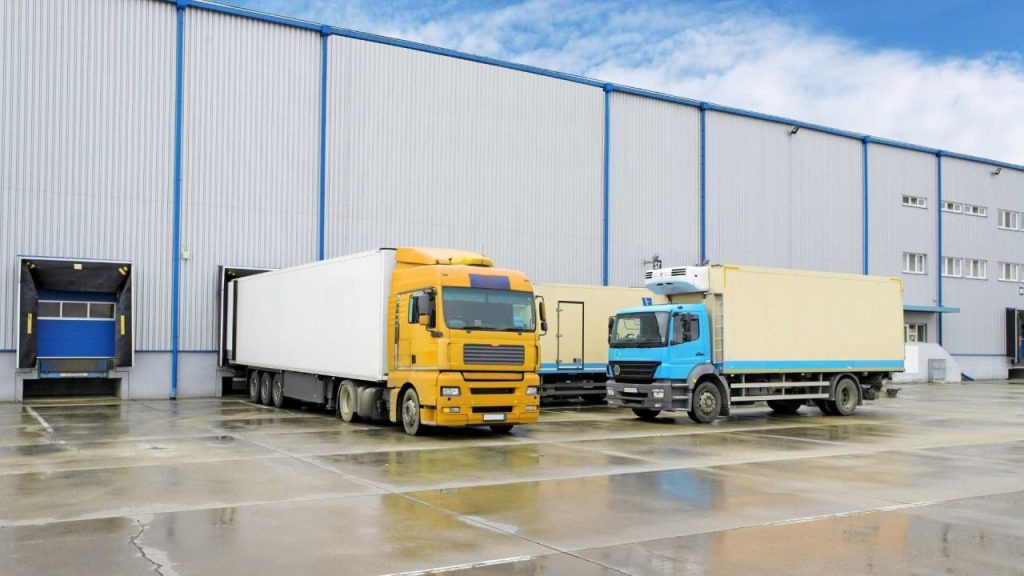
By providing a service that offers an in-between solution for both air and sea transport, road freight services UAE is able to operate as a middle ground for all your freight forwarding needs.
1. Cost – Land transport is much less expensive than transporting by air, especially when transporting heavy/large volumes of industrial goods.
2. Speed over Boat – For regional shipments being sent to Oman or Saudi Arabia, land transportation will get you to your destination 3-5 days sooner than shipping by boat due to delays caused by port congestion, distance to transit points, etc.
3. Door to Door – Unlike other transport modes, land transport also provides you with “last mile” delivery service to/from a warehouse located in Jebel Ali to your retail outlet located in Riyadh or Muscat.
Key Routes & Transit Times from Dubai
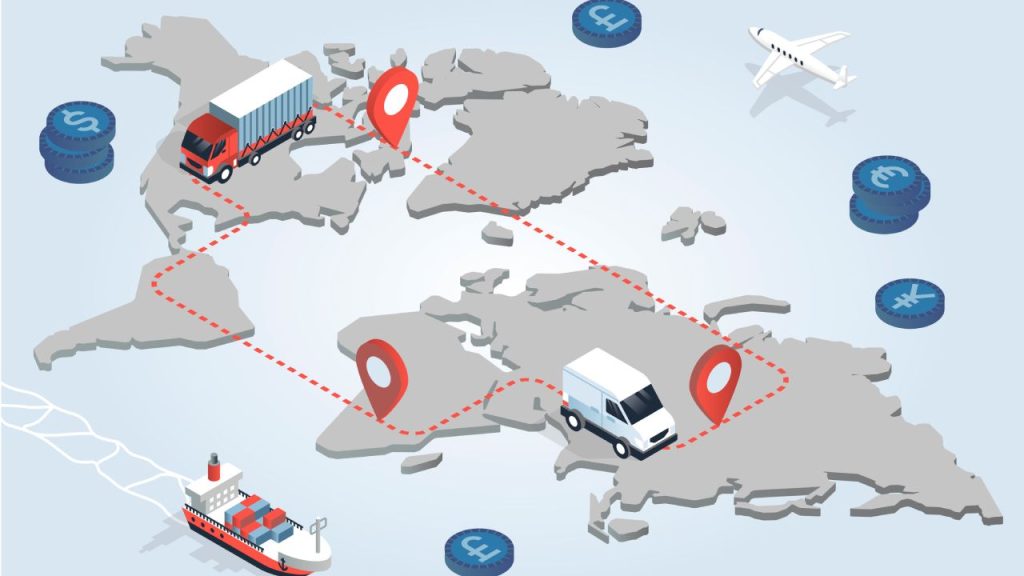
The UAE’s strategic location permits quick cross-border movement. In 2026, with the undertaking of real-time electronic data linkage between GCC customs, transit times have been further optimized.
| Destination | Major Route | Est. Transit Time (2026) |
| Saudi Arabia (Riyadh) | Ghuwaifat Border / Al Batha | 2 – 4 Days |
| Saudi Arabia (Jeddah) | Trans-Peninsula Highway | 4 – 6 Days |
| Oman (Muscat) | Hatta / Al Wajaja or Al Ain | 1 – 2 Days |
| Kuwait | Via Saudi Arabia Transit | 4 – 5 Days |
| Qatar (Doha) | Via Saudi Arabia Transit | 2 – 4 Days |
| Bahrain | King Fahd Causeway | 3 – 5 Days |
Pro Tip – Transit times can differ depending on customs clearance speed. Working with proficient land freight companies in Dubai confirms that your paperwork is pre-cleared technically to sidestep border bottlenecks.
Understanding the Costs – FTL vs. LTL

The cost of land freight service in Dubai for your shipment will depend on how much cargo you need to transport.
1. Full Truck Load (FTL)
This service works best for big shipments that need one truck that can carry 12-meter or 15-meter loads.
- The FTL pricing trend for 2026 shows that fuel price changes and new UAE corporate tax regulations will affect current FTL rates, which remain the most affordable option for businesses that export high shipment volumes.
- The delivery method provides direct shipment to customers without making any stops.
2. Less than Truck Load (LTL)
This shipping option suits small and medium enterprises, which need to pay only for the actual pallet space they utilize.
- The LTL market for 2026 shows high competition because top logistics companies now use “Digital Freight Matching” platforms.
- The shipping method provides significant financial benefits when customers need to send partial loads that do not require complete trailer space.
The Role of Bright Way Logistic Services LLC

With rapid competition in the UAE land transportation services, Bright Way Logistic Services LLC takes a leading position by adopting an “Agile Logistics” framework to provide clients with world-class transport solutions. By 2026, they will evolve from a simple transportation company into a full-service provider of integrated supply chain solutions, filling the void created by complex regional regulatory requirements and the need for enterprises to achieve speed of delivery.
1. Seamless Cross-Border Land Freight UAE
Transporting products through the Ghuwaifat and/or Al Wajaja borders of the UAE presents many logistical challenges, but Bright Way has developed a unique method of managing these issues through its dedicated clearing agent network stationed at every GCC land border to provide 24/7 real-time issue resolution so that trucks spend hours instead of days at the customs office. Their proprietary “Zero-Hassle” approach to your shipment’s movement will create a seamless transition between the time your cargo leaves your warehouse in Muscat or arrives at the project site in Riyadh without affecting your financial results.
2. A Versatile and Modern Specialized Fleet
The 2026 economy will require increased levels of Transport Diversification. Bright Way operates an IoT-enabled fleet with State-of-the-art GPS tracking, furnishing clients’ second-by-second visibility into shipments. Bright Way’s fleet includes –
- 3 to 10-ton pick-ups – Ideal for Local deliveries within Dubai and Last-mile Urban Logistics.
- Box Trailers – Required for Secured Transport of parcel shipments destined for Kuwait, Bahrain, and Qatar.
- Heavy-Duty Low Beds and Flat Bed Trailers – Dedicated maintenance for the transport of Over-Dimensioned Cargo and Heavy Equipment for the UAE’s Industrial Development.
3. Specialized SABER & SASO Compliance Support
UAE land exports go primarily to the Saudi Arabian market; however, this is also one of the most regulated markets. For this reason, Bright Way provides specialized consulting for the SABER platform. Bright Way assists exporters in obtaining the following –
- PCoC (Product Certificate of Conformity) – This serves as evidence that your product conforms to Saudi Arabia Standards and is valid for 1 year.
- SCoC (Shipment Certificate) – Every individual load that is shipped must be processed through the FASAH system within 10 minutes.
By teaming up with an experienced company like Bright Way, companies can outsource all of the technical challenges involved in obtaining their Exit Certificates (to recover VAT) or “Makasa” (Duty Exemption) stamps. This allows companies to simply view the entire GCC as one large, accessible marketplace.
Navigating Cross-Border Regulations in 2026

The Middle East has experienced a Digital Transformation for cross-border trade. By 2026, the “Paperless Border” will no longer just be a goal; it will be a requirement that must be followed to maintain the efficient flow of goods. As such, businesses must comply with three main regulatory pillars.
1. Transition to Mandatory Digital Declaration (EDIs)
The era of manual bills of lading is over. All road freight services UAE now operate using Electronic Data Interchange (EDI) operations. EDI operations include “Pre-Arrival Regulation” in that customs at the destination country will receive and process the cargo data before the truck actually leaves Dubai.
- Advantage – EDP/EPO Digital Proof of Delivery, combined with notification capabilities, can ensure that businesses can manage their inventory with absolute accuracy, thereby reducing the amount of expensive “Safety Stock” required.
2. Strict HS Code Accuracy – The 12-Digit Standard
The UAE and the GCC will enter Phase 2 of the implementation of the Harmonized System (HS) code changes in February 2026, when all GCC countries will be required to use new 12-digit Integrated Customs Tariff Codes to designate goods traded within the region.
- Why it matters – This level of detail in 12-digit codes will enable customs authorities to accurately determine and charge duty and implement non-tariff barriers against imports based on their proper classification. Any single character error could substantially delay shipments, or possibly lead to large penalties, pursuant to Customs Notice No 10/2025.
3. Security Passages & High-Security Zone Access
The UAE and Saudi Arabia’s construction of “Gigaprojects” has posed a significant logistical challenge to accessing the sites of these projects. This issue has been compounded by the fact that trucks must now have a specific security clearance before being allowed entry into restricted areas.
- CICPA Pass (Critical Infrastructure and Coastal Protection Authority) – In Abu Dhabi, you will need to obtain a valid pass for both your vehicle and driver if you would like to enter sensitive areas such as ADNOC refineries, Al Dhafra, or Barakah Nuclear Plant.
- Project-Specific Permits – The same applies to specialized zones (for example, NEOM or The Line) in Saudi Arabia.
Bright Way Logistic Services owns a fleet of “Site Ready” vehicles and employs drivers who have already gone through the approval process for security clearance to ensure that your cargo arrives at the heart of your project quickly and efficiently.
Conclusion
The primary component of the Gigaproject Era of the GCC is land freight. If you are moving construction materials for the Red Sea project or shipping consumer goods for a shopping centre in Kuwait, selecting the appropriate land freight services in Dubai provides you with an opportunity to improve your entire profit margin. In 2026, successful businesses will put an emphasis on tech-based tracking, adherence to government regulations, and dependable partners.