
In the middle of a desert where summer temperatures can soar above 45°C, keeping a life-saving vaccine or a fresh piece of salmon in an ideal situation is nothing short of a miracle. This miracle is actually an extremely sophisticated industry known as cold chain logistics. In the United Arab Emirates, cold chain logistics is the invisible force that makes sure your local pharmacy has usable insulin and your favorite grocery store is stocked with fresh berries year-round. As we move through 2026, the UAE has solidified its position as an international leader in temperature-controlled transport, mixing high-tech innovation with strategic geography.



What is Cold Chain Logistics?
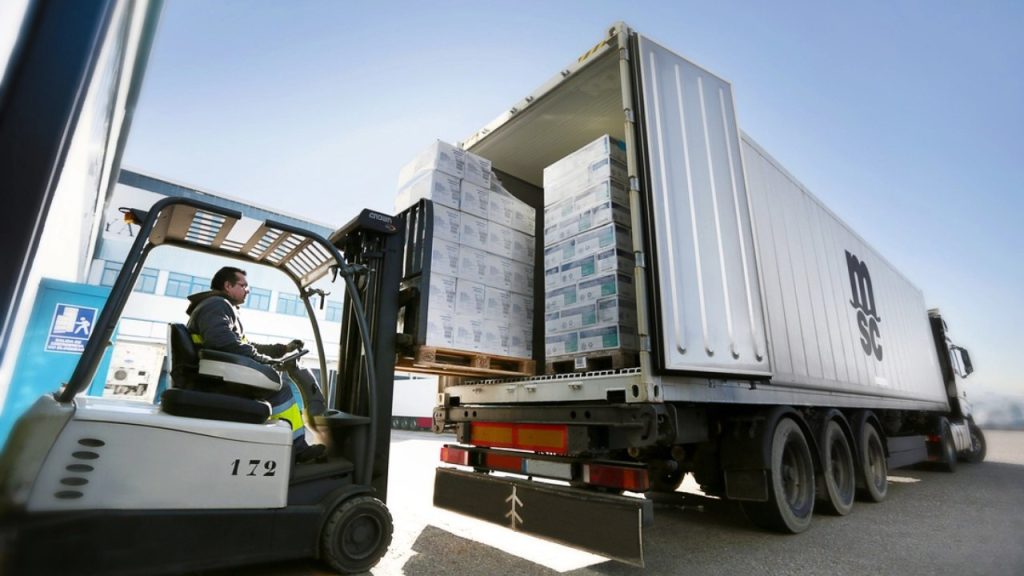
Imagine a chain where every link is a distinct phase of a product’s journey, from the factory to your home. In a cold chain, every single one of those connections should be kept at a particular, cold temperature.
If even one link breaks, the whole product can be ruined. This is particularly risky for –
- Pharmaceuticals – Vaccines and medicines that lose their power if they get very warm.
- Food – Meat, dairy, and fruits that can harbor risky bacteria if not kept chilled.
Why the UAE is a Unique Cold Hub
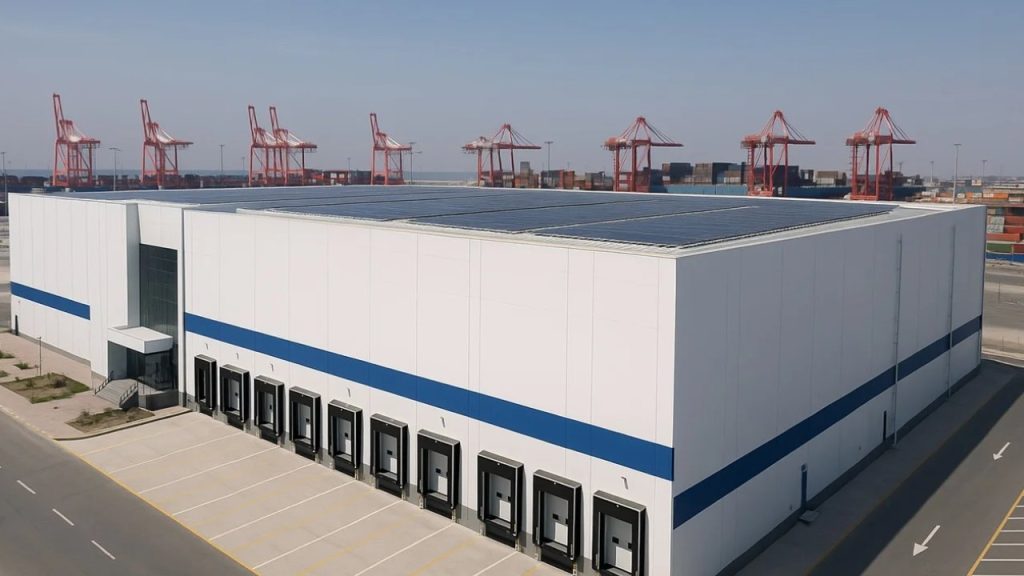
The UAE faces a huge difficulty – extreme heat. However, the nation has transformed this difficulty into a strength by building some of the world’s most modern infrastructure.
1. The Gateway to the World
Because of its location between Europe, Asia, and Africa, the UAE works as a refrigerator for the world. Prime ports such as Jebel Ali and airports such as Dubai International have huge temperature-controlled zones where cargo can move from a plane to a truck without ever feeling the desert heat.
2. Vision 2030 and Food Security
The UAE government is heavily making an investment in the National Food Security Strategy 2051. Since the nation imports about 80-90% of its food, having a trusted cold chain is not only a business, it is a matter of national safety.
The Two Pillars – Pharma and Food

1. Pharmaceutical Cold Chain
This is the most sensitive part of the sector. Several advanced medicines, particularly biologics and vaccines, should be kept between 2°C and 8°C. Some even demand ultra-low temperatures of 70°C.
- Hope Consortium – Depending on Abu Dhabi, this is a world-class supply chain solution, particularly developed to distribute billions of vaccine doses internationally.
- Real-Time Tracking – Advanced pharma transport in the UAE utilizes IoT sensors. If a container’s temperature rises by even half a degree, a notification is sent immediately to a control center to solve the problem before the medicine is harmed.
2. Food & Perishables (The Freshness Experts)
From the farm to the fork, the UAE’s food cold chain is booming thanks to –
- E-commerce & Grocery Delivery – Apps such as Talabat and Instashop have changed how we purchase food. This has made a requirement for last-mile cold delivery, those small refrigerated vans and bikes you see on the streets.
- Vertical Farming – The UAE is now expanding its own lettuce and herbs in indoor high-tech farms. These products still require a cold chain to stay crisp while moving from the farm to your local supermarket.
Key Challenges – Beating the Heat
Running a cold chain in the United Arab Emirates is not simple. Corporations face three major hurdles –
1. Energy Costs – Keeping a giant warehouse at 20°C when it is 48° outside takes a lot of electricity. A number of corporations are now switching to solar-powered cooling to save money and stay green.
2. The Loading Dock Gap – The riskiest moment for a product is the 10 minutes it sits on a loading dock, moving from a warehouse into a truck. UAE warehouses utilize dock seals to keep the cold air locked in during loading.
3. Humidity – High humidity can lead to frost building up on cooling coils, making them less effective. Modern dehumidification systems are a must-have in UAE facilities.
Technology Shaping the Future (2026 Trends)
1. Autonomous Reefers – Self-driving refrigerated trucks are being tested in zones such as Dubai’s Silicon Oasis to make deliveries more effective.
2. Blockchain for Transparency – You can now scan a QR code on a carton of milk and see precisely what the temperature was every hour of its journey from the cow to the shelf.
3. Green Refrigerants – To fulfill the UAE Net Zero 2050 objectives, logistics deliveries are moving away from old chemicals and utilizing eco-friendly refrigerants that do not hurt the ozone layer.
Tips for Choosing a Cold Chain Partner in the UAE
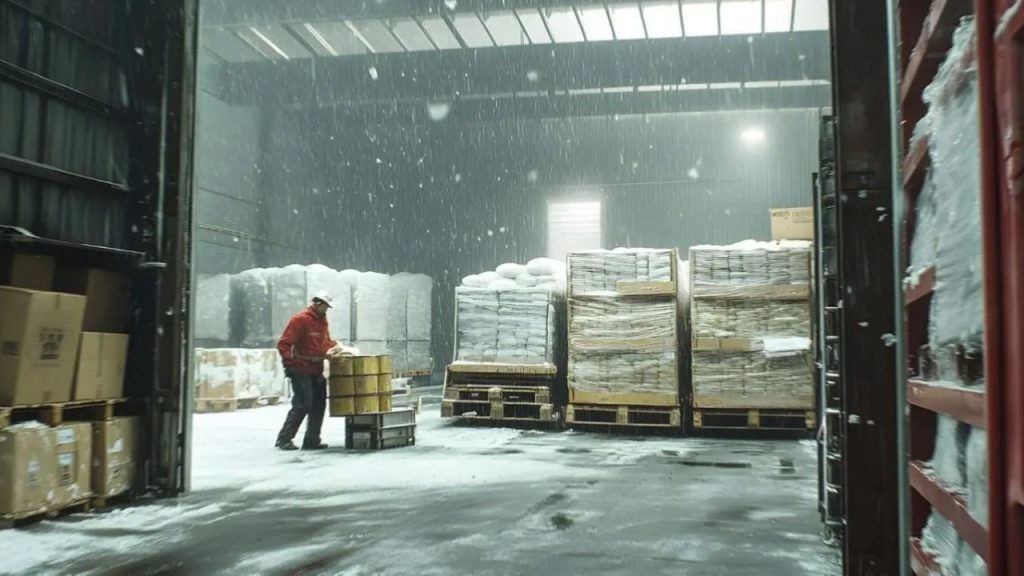
When you are vetting a provider for cold chain logistics in the UAE, you require more than only a truck with a fridge. You require a partner that comprehends the science of thermal integrity. Here are the grown, non-negotiable, should-saves for any serious temperature-controlled transport partner.
1. Industry-Specific Certifications
Certifications are evidence that a corporation follows strict, documented protection norms. Without them, your business is at high risk for regulatory penalties and product recalls.
- For Pharmaceuticals – Seek Good Distribution Practice certification. In the UAE, the Ministry of Health has stringent guidelines for managing medicine. A GDP-certified partner makes sure that every person managing your vaccines or biologics is trained to control temperature excursions.
- For Food Safety (HACCP & ISO 22000) – Hazard Analysis and Critical Control Points is a compulsory structure for several food industries. It recognizes crucial points where food could go bad. ISO 22000 takes this further by making sure the whole management system is constructed around food protection.
2. Multi-Layered Backup Systems
In a nation where summer temperatures hit 48°C, standard cooling is not enough. You have to understand what occurs when things go wrong.
- Power Redundancy – Does the warehouse have industrial-grade backup generators that kick in automatically during a power cut? Ask if they have sufficient fuel on-site to operate the cooling systems for at least 24-48 hours.
- Refrigeration Redundancy – The finest facilities have N+1 redundancy. This means if one cooling unit breaks down, there is a spare one prepared to take over instantly, so the room temperature never rises.
3. Fleet Variety & Modern Reefer Technology
Not all cold items are the same. A one-size-fits-all truck can cause ruined cargo or wasted money.
- Multi-Temperature Trucks – Top-tier providers utilize vehicles with internal partitions and separate cooling units. This permits them to hold frozen meat and chilled chocolate in the same truck without the chocolate freezing or the meat melting.
- Pre-Cooling Protocols – A seasoned partner will always pre-cool the truck to the target temperature before loading your goods. Loading frozen food into a hot truck is a recipe for disaster, even if the fridge is transformed later.
Real-Time IoT Monitoring & Transparency

In 2026, trusting that the driver kept the temperature steady is not enough. You require data.
1. Live Tracking – Seek a partner who delivers a technical dashboard. You have to be able to see the live temperature and humidity of your cargo from your phone or computer.
2. Instant Alerts – The system should automatically send an SMS or email alert to both the driver and the warehouse manager the moment a temperature moves outside the safe zone. This permits intervention before spoilage.
Conclusion
Cold Chain Logistics in the UAE is more than just “refrigeration on wheels.” It is a high-tech, fast-moving industry that keeps the nation healthy and fed. Whether it’s a life-saving medicine arriving at an Abu Dhabi hospital or a fresh mango at a Dubai market, the cold chain is the invisible hero of the desert.